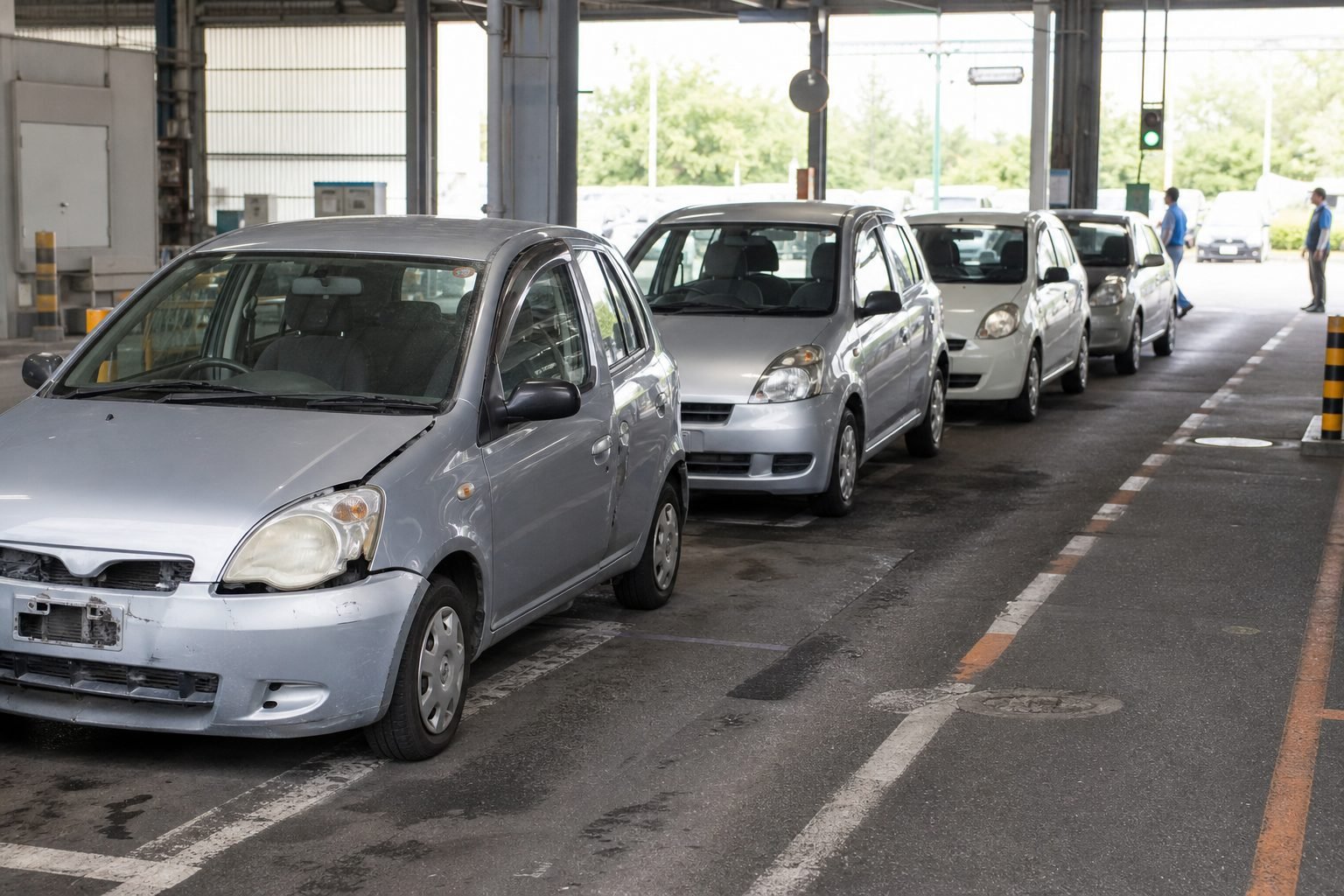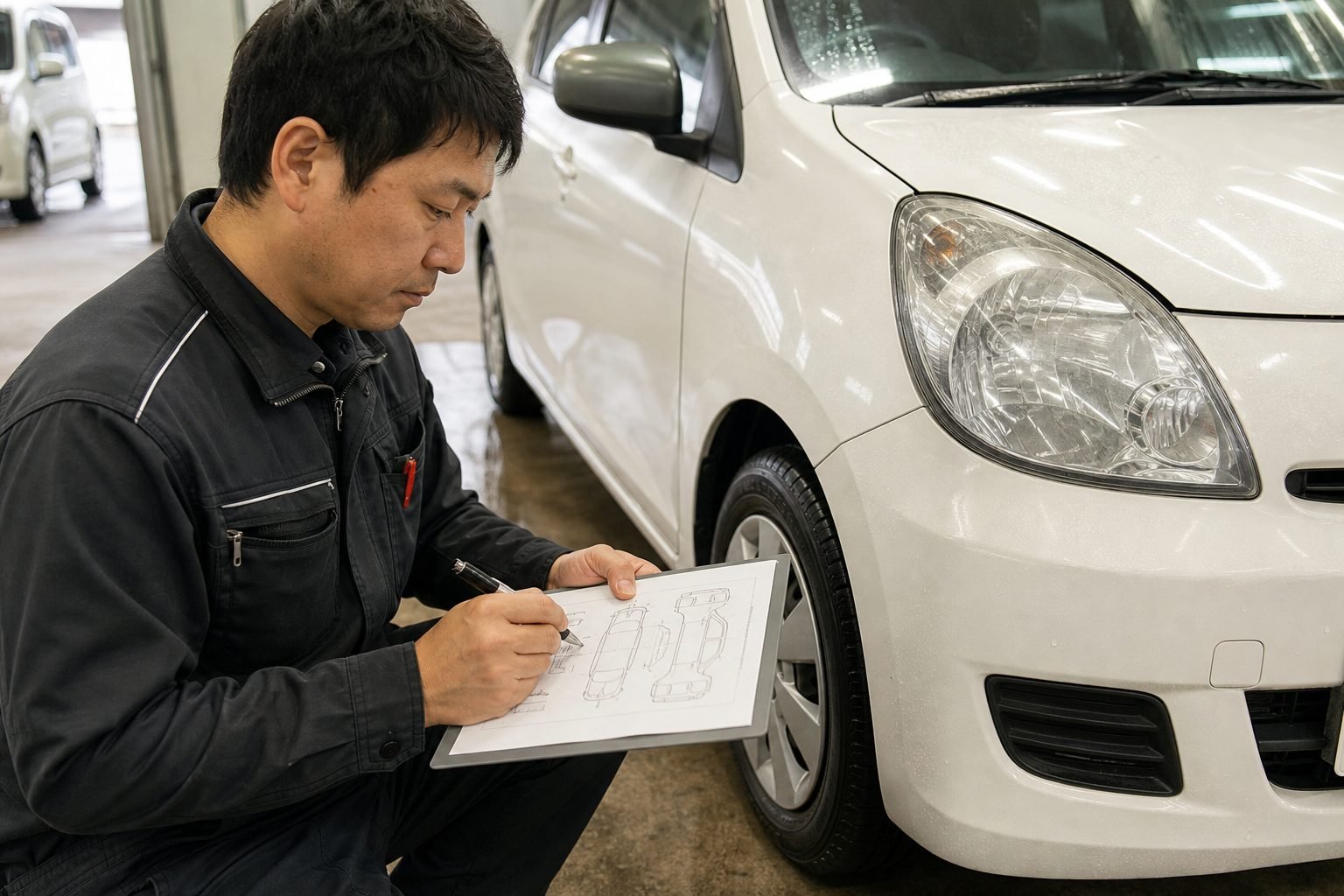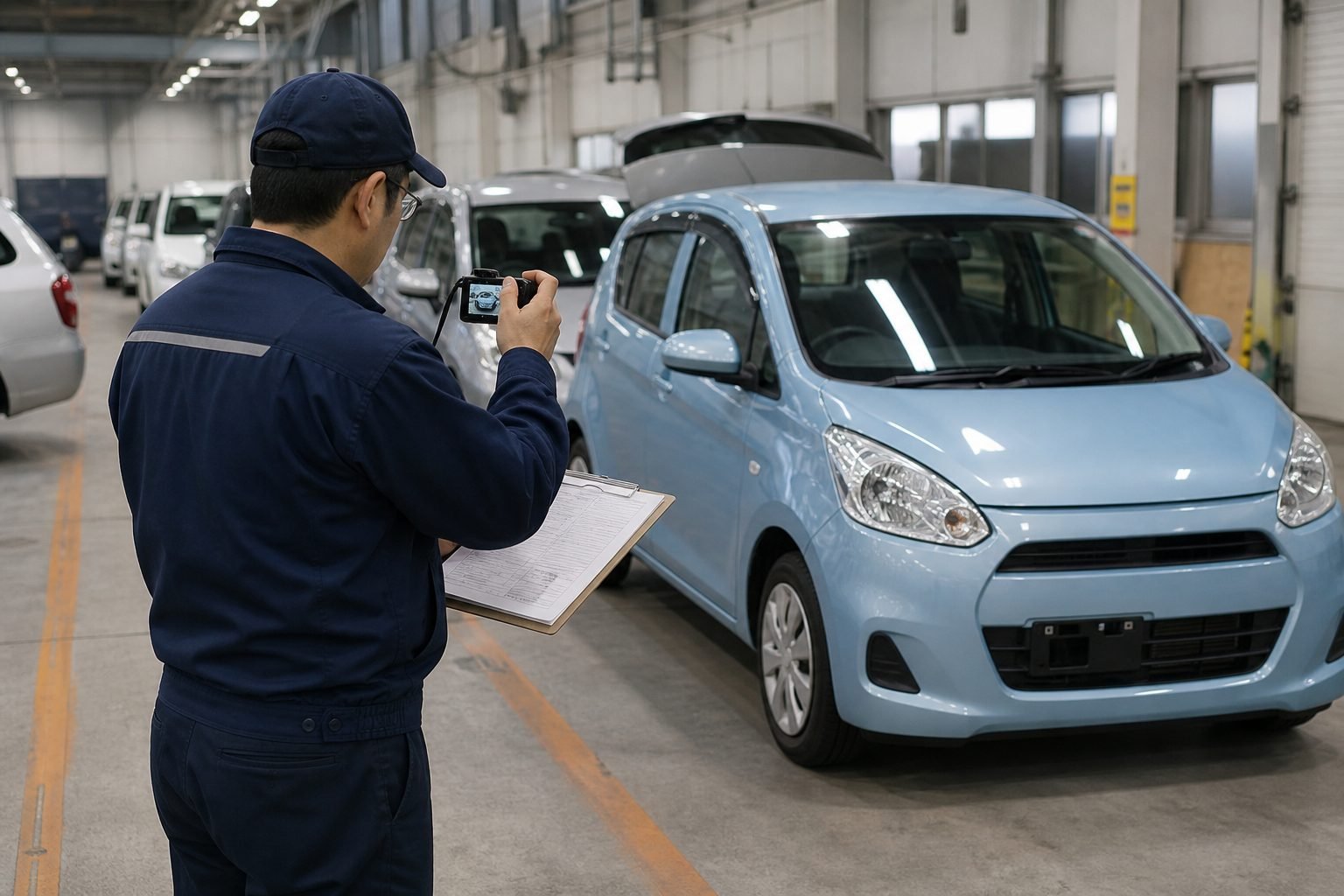
JCI in English-language Japan-car talk is 車検 (shaken): the periodic inspection that keeps a car legal on Japanese public roads. It is not a destination export certificate, not KEBS, and not a “tune-up coupon.” Without a valid sticker and valid 自賠責, you do not drive the car. What the invoice actually contains is a different article: shaken cost 2026.
A proxy (車検代行) means you do not have to book the 運輸支局 / 軽自動車検査協会 user line in Japanese, take a day off, and argue headlight aim with a clerk. KMC JAPAN in Ogori, Fukuoka coordinates the inspection through partner shops. We are not the Ministry of Land, Infrastructure, Transport and Tourism. We do not sell 任意 insurance. We do not stamp CFA Sasebo VRO paperwork.
KMC JAPAN helps customers in Sasebo and across Kyushu find Japanese used cars, including affordable kei cars, compact cars, SUVs, minivans and hybrids. The same English desk that reads auction sheets can also take a car you already own through shaken — after a written quote.
Request a shaken proxy quote See 2026 statutory fees
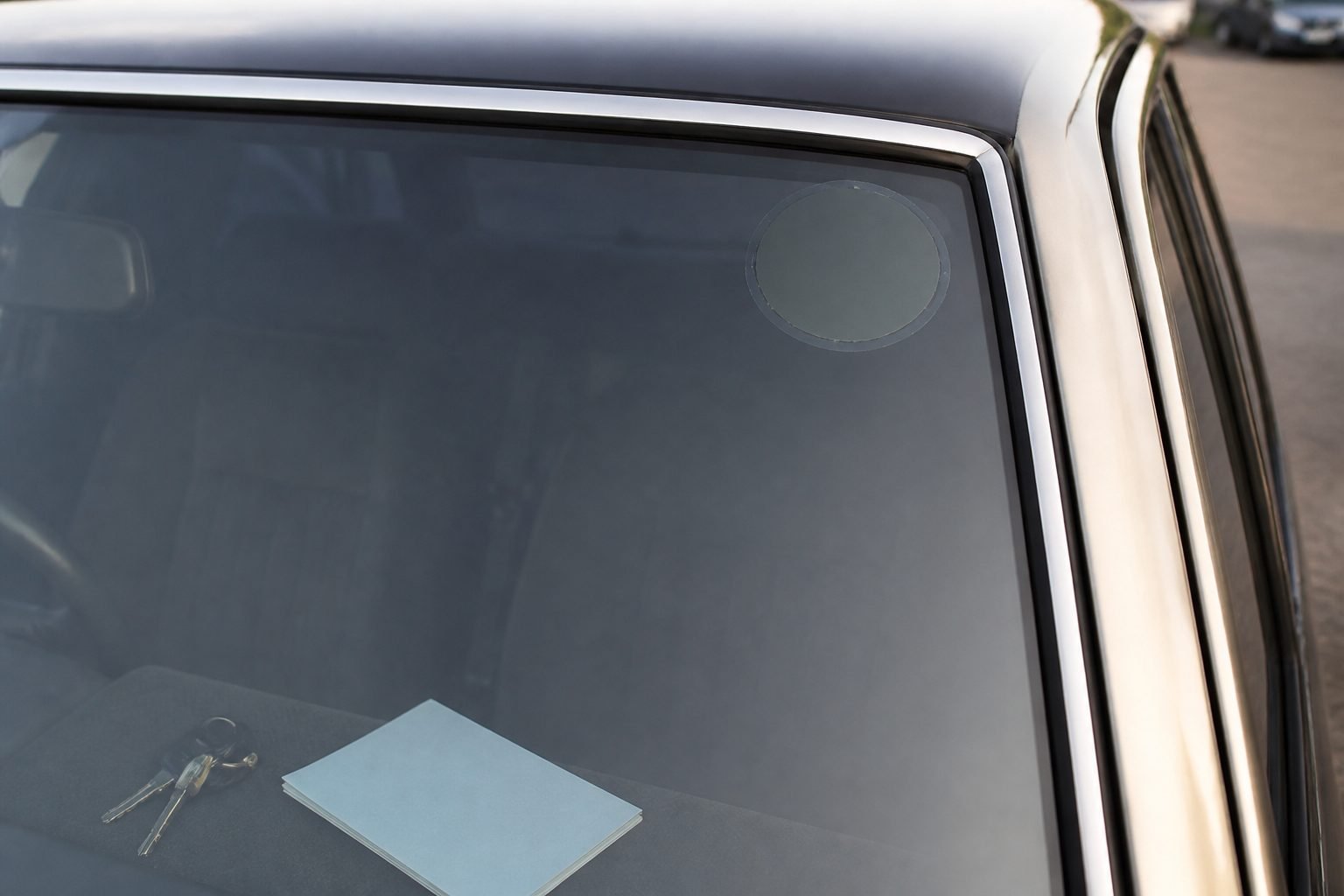
What “handle my inspection” actually means
- You send photos of both sides of the 車検証, the current shaken date, and a short list of known problems (oil light, rust, tyres)
- We quote a plan: statutory 重量税 + 自賠責 + stamps, shop basic labour, and a reserve for likely wear. That plan is not a blank cheque for a welded frame
- You drop the car in Ogori (or we arrange collection in the Fukuoka–Kurume–Tosu area when it is practical). Expired shaken means a transporter, not a drive-in
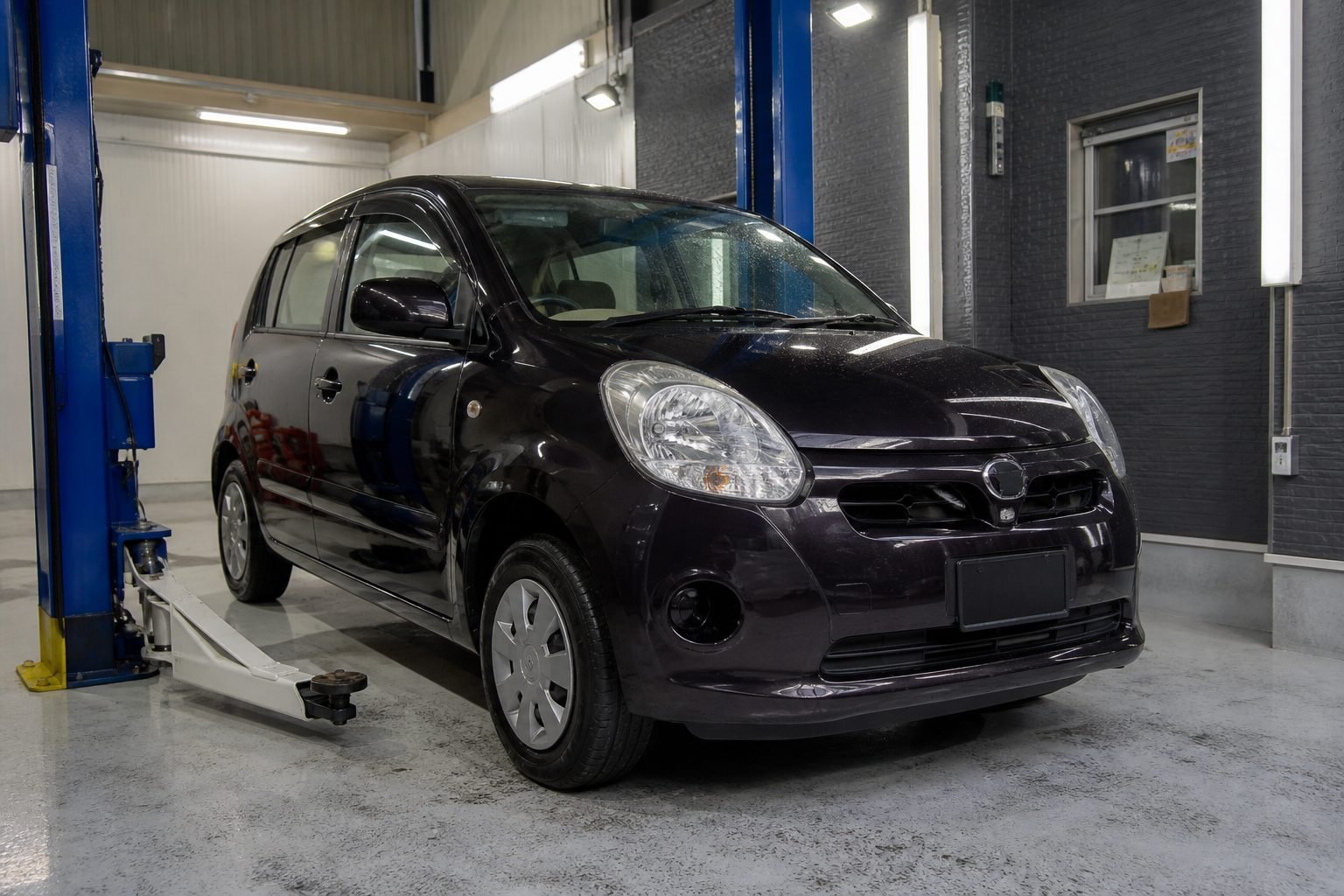
- The partner 指定工場 / shop inspects and repairs what must pass. Extra parts wait for your OK unless you already authorised a cap
- You collect a car with a new sticker, new 自賠責 period, and an invoice you can read in English
User持込 (you take it to the government lane yourself) is still legal and sometimes cheaper if the car already passes. Most foreigners underestimate the Japanese forms. Proxy exists so you do not have to become a clerk for one afternoon.
What we need from you
- Original 車検証
- Current 自賠責 certificate (or we renew it with the inspection)
- Keys, spare if you have it
- Navis / ETC / number-plate frames you want left on
- Who is on the 車検証 — if the name is wrong, that is 名義変更 first, not shaken
任意 is separate and we do not sell it: insurance for foreigners. A Japanese licence is a different problem: own vs drive.
Who this is for
- Foreign residents in Kyushu — Fukuoka, Kurume, Ogori, Tosu, Saga, Nagasaki — who bought a car with little shaken left
- CFA Sasebo civilians on a Japanese 車検証 (yellow or white plates). SOFA / PMV / VRO cars follow the base vehicle office handout, not this civilian 車検 path: Sasebo VRO
- Buyers of KMC stock or auction cars who want 乗り出し with a fresh sticker instead of a dead date: hammer vs real cost
Export-only cars do not need Japan shaken after 輸出抹消. That is a different file: how to export.
What a proxy cannot promise
- A pass with no parts. Brakes, tyres, rust, and leaks belong to the car. Auction 3.5 lots are famous for this: grades 3.5–5
- A nationwide yen tariff. 重量税 follows the 車検証; labour follows the shop. We quote your unit
- Same-day if the car fails. Plan days, not hours
- MLIT, Navy, or insurer logos on our paperwork. We are a used-car desk in Ogori arranging a shop
How to start
Email or the contact form: make, year, number plate, shaken expiry, and whether the car can still be driven. English desk: English-speaking dealer. Inventory if you would rather buy a car that already has months left: cars.php.
This is not tax, legal, or insurance advice. Statutory tables change; the 2026 cost page is the fee map, this page is the who does the queue map. Confirm the quote before we book the lift.