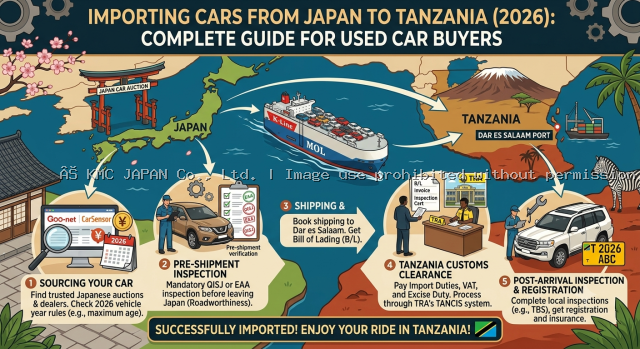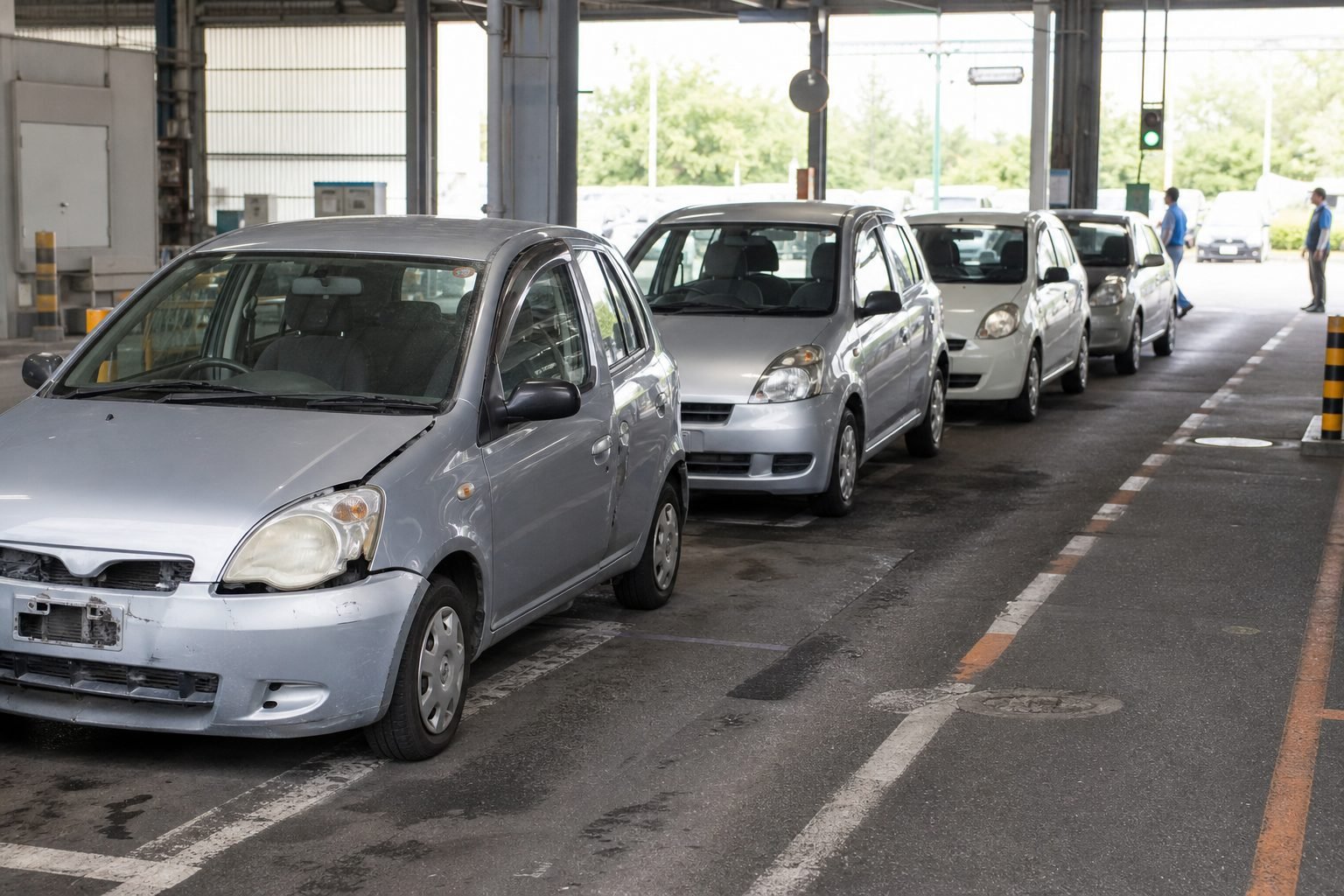
3.5, 4, 4.5 and 5 are condition-style overall boxes on many Japanese auto auction sheets. They try to say how the car looks and how hard it has been used. They are not 修復歴. If the skeleton was repaired, many halls print R or RA instead of a 4.5 — R / RA explained.
They are also not a warranty and not the same number at USS, JU, TAA, and a small Kyushu hall. A 4 at one venue can look like a 3.5 at another. Panel marks (キズ, 凹, 交換) sit underneath: symbols explained.
KMC JAPAN helps customers in Sasebo and across Kyushu find Japanese used cars, including affordable kei cars, compact cars, SUVs, minivans and hybrids. We read the live sheet in English from Ogori, Fukuoka before you set a max bid. We will not pretend a 5-point thumbnail is a compression test.
Send a lot number Proxy bidding

What the overall box is trying to do
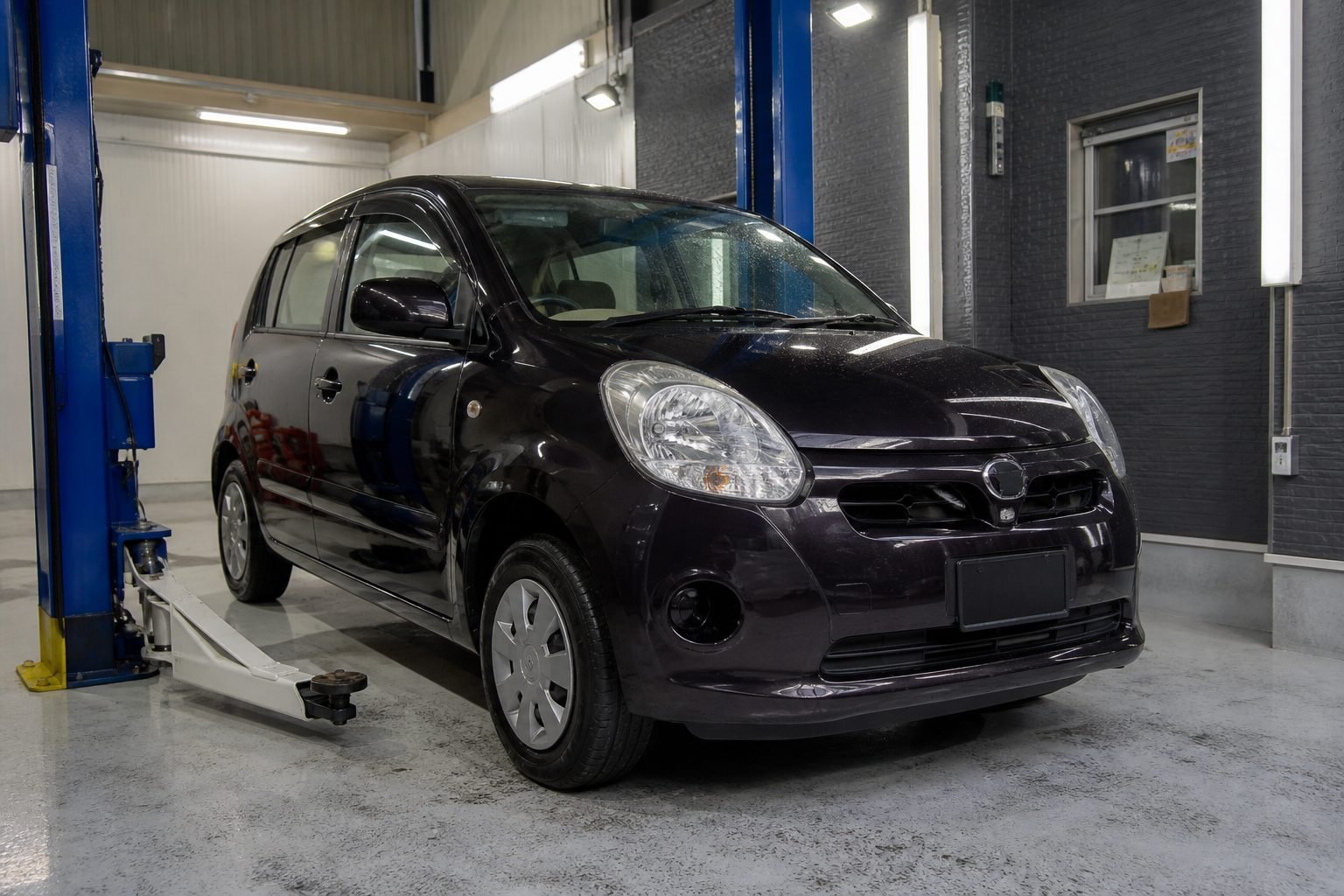
On halls that work like USS, the overall point is a bundle: exterior, interior, age/mileage bands, and whether the inspector thinks it needs work. Interior A–E and exterior A–E can pull the box up or down. A smoked N-BOX with an A exterior can still land at 4.
S and 6 (when used) sit above 5 — newer / almost unused bands, not this article. 3 and below are rougher than 3.5. *** is often “not a normal grade / damaged now.”
5 — cleaner than most used cars
Public USS-style write-ups treat 5 as a car with little paint work needed: few scratches, engine and underbody described as good, often relatively low kilometres at that hall’s cutoff. You still pay for it. Export buyers who need a pretty unit for a picky market bid here. A 5 with a leak in the comment is not a 5 in real life — read the line.
4.5 — the “nice used” default
4.5 usually means small scratches or light paint, still a very usable car. It is the grade foreigners screenshot. It is also where bids jump. For Japan residents who want 12+ months of shaken and a clean cabin, 4.5 is often the floor, not the bargain: cheap to own is not the same as a 4.5 hammer.
4 — ordinary used, most of the hall
4 is the volume grade: visible キズ / 凹, some repair or paint the inspector thinks you might do, normal wear. Fine for many Africa and domestic bids if the comment and photos match. A 4 with honest marks can beat a 4.5 that hid rust in one photo. Map: A / U / W.
3.5 — more work, lower hammer (sometimes)
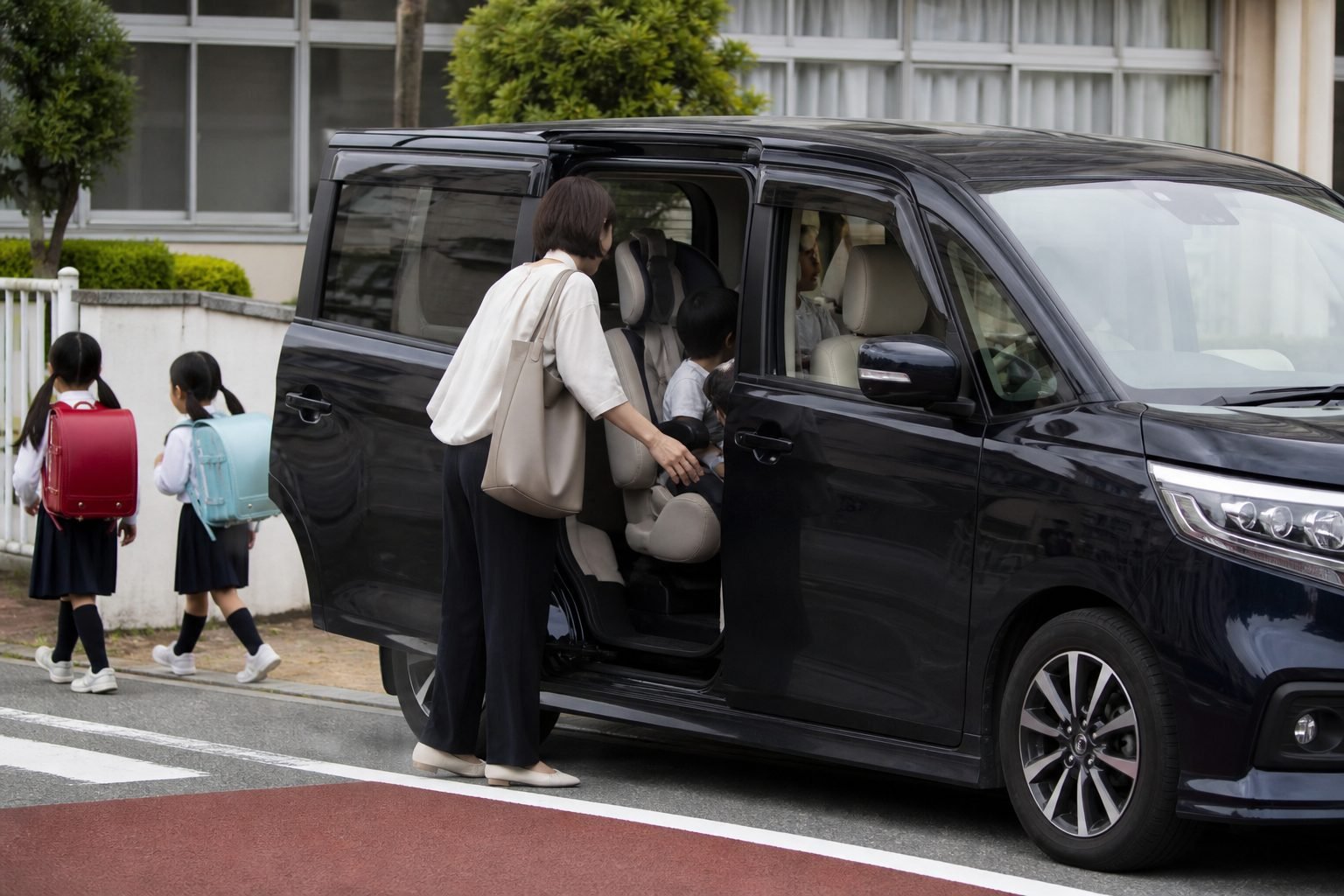
3.5 typically means more dirt, chips, dents, or interior wear than a 4. Labour can eat the discount — especially if shaken is due: ¥300,000 hammer, shaken 2026. For export, 3.5 is common when the destination buyer accepts cosmetics. For a Sasebo family daily, budget paint or walk.
Side by side (field guide, not the official USS PDF)
| Box | Usually implies | Typical buyer use |
|---|---|---|
| 5 | Little cosmetic work; strong sheet | Picky retail / high FOB |
| 4.5 | Minor scratches; still “clean used” | Japan keepers; nicer export |
| 4 | Normal used; some marks / possible paint | Volume export and lots |
| 3.5 | More wear; more shop time | Price buyers who read comments |
Kilometres, options, and a single rust mark can move a car across this table without changing the number you expected. JU and TAA legends are not this table photocopied.
How to choose
- Export — match the destination’s cosmetics and age certificate, not a 5 for its own sake: how to export, Africa models
- Live in Japan — 4.5/5 with shaken left often cheaper than a 3.5 plus inspection
- Never — a 5 JPEG with no venue, date, or lot: scam checklist
Optional history: True Report. English desk: English-speaking dealer.
Send the sheet. We will say whether the box matches the map. Auction cars are as-is; claim windows follow the hall. This is not the official USS/JU manual.