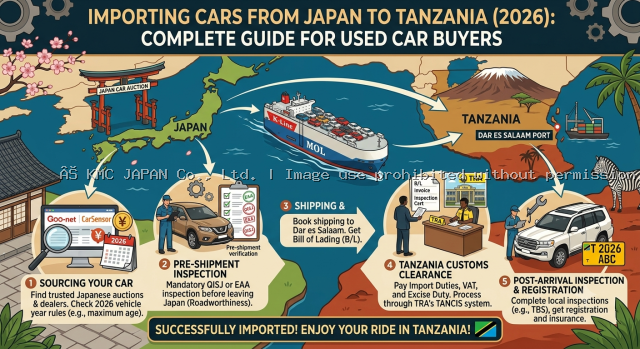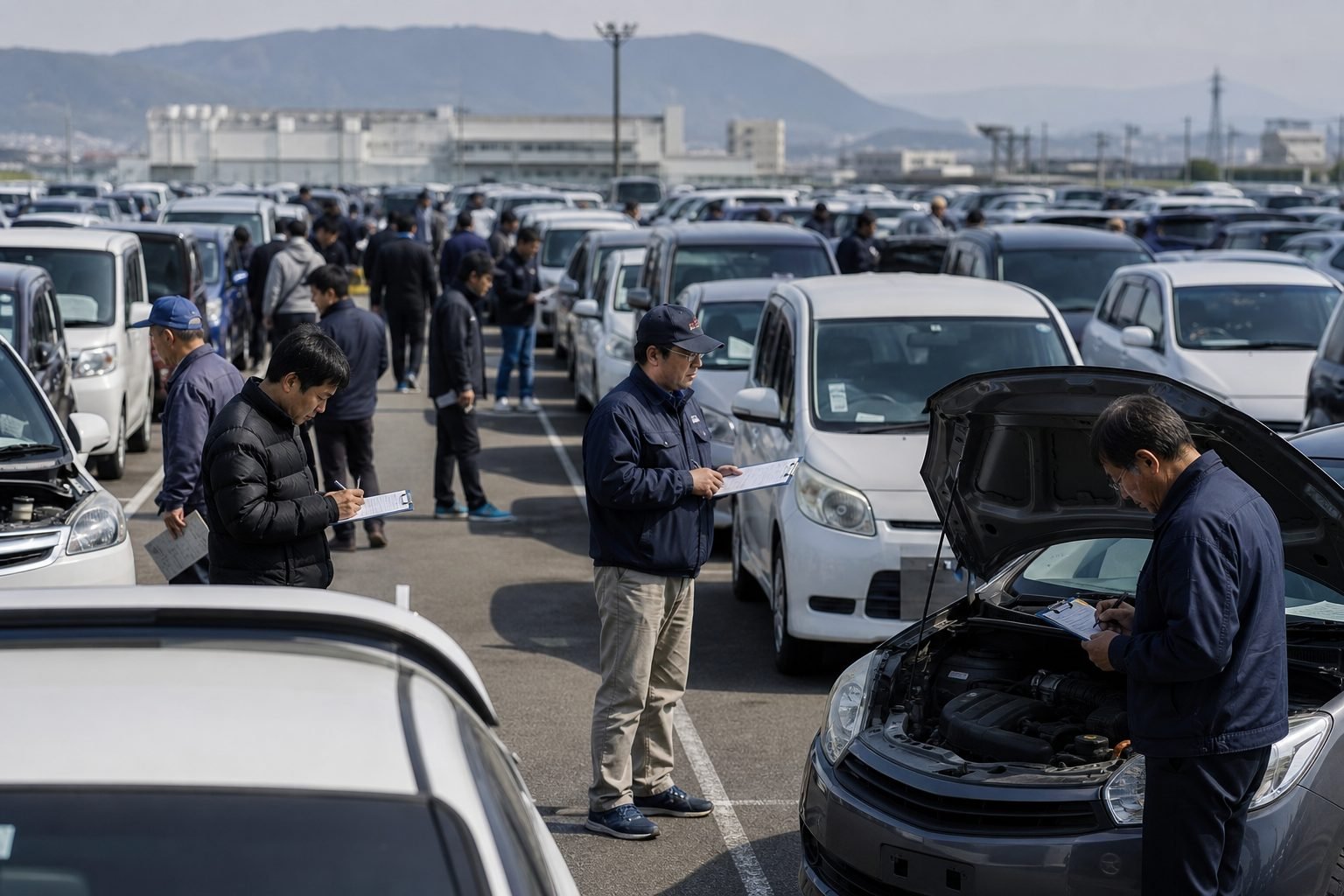
The number on the auction clock is the hammer (落札) price. It is not the invoice. Japanese auto auctions (USS, JU, TAA and others) add venue charges, tax treatment, recycle money, and pickup. Then your agent adds inland transport and either export or Japan registration.
KMC JAPAN bids from Ogori, Fukuoka. We do not publish a fake “one yen table for every hall” — each venue and sale day sets its own buyer schedule. What we do is list every line that will appear, then quote the actual yen after a win (and often a working estimate before you bid).
KMC JAPAN helps customers in Sasebo and across Kyushu find Japanese used cars, including affordable kei cars, compact cars, SUVs, minivans and hybrids. The same English desk runs auction proxy bidding for export and for cars you will register in Japan.
Auction proxy bidding Ask for a cost estimate
1. Hammer price (落札価格)
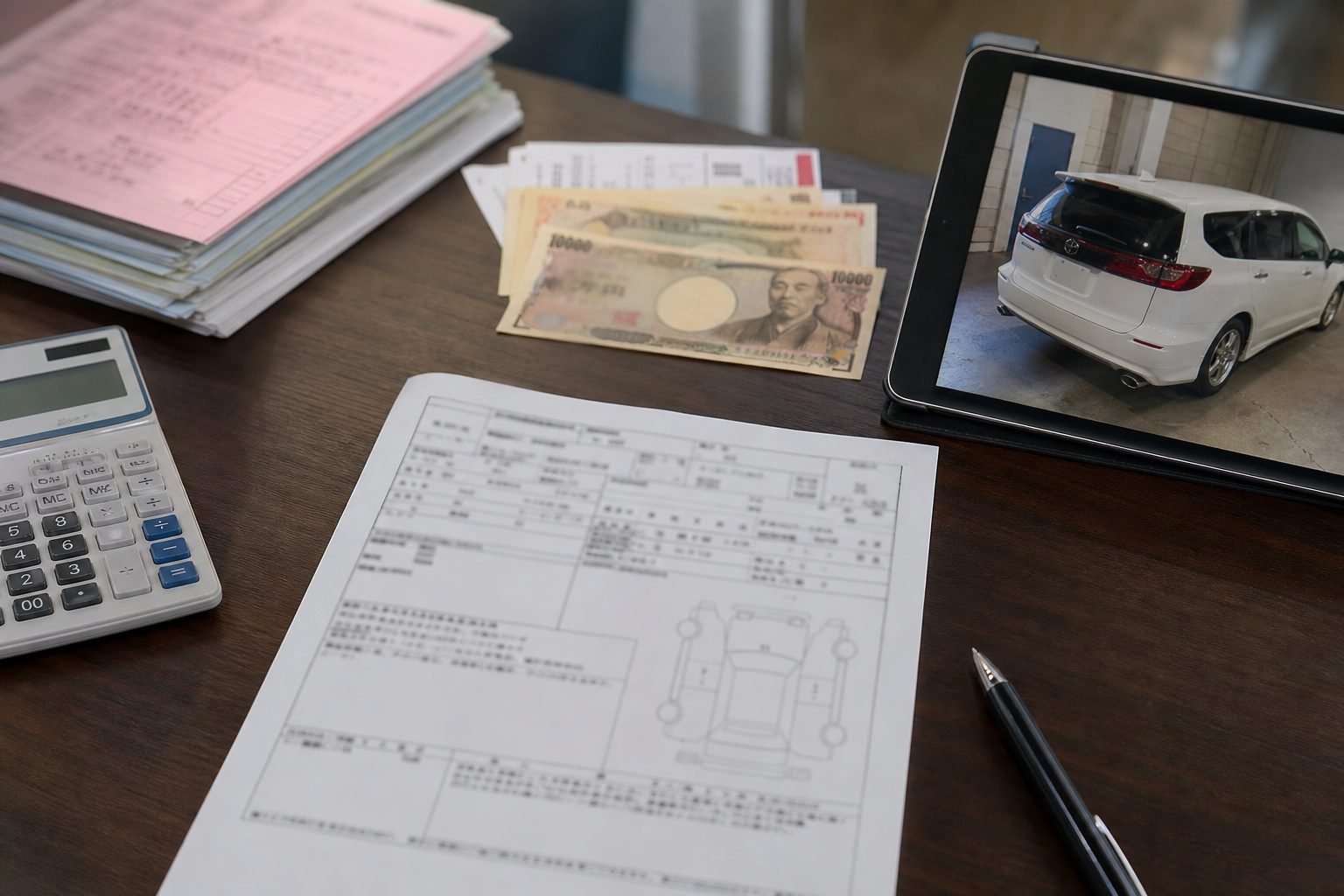
This is the last bid the auctioneer accepts. Your written maximum with KMC JAPAN is a ceiling on this number, not on the full invoice. A ¥500,000 win can still become a much larger payable once fees attach.
Auction cars are sold as-is on the auction sheet. Claims exist only inside that hall’s claim window. After the window, defects are usually the buyer’s risk — that is a cost risk, even if it is not a “fee.”
2. Auction-house buyer charges
Halls charge the successful buyer. Names differ by venue; you will see some mix of:
- Buyer / successful-bid fee (落札手数料) — often a flat band, sometimes stepped by hammer price
- Consumption tax (消費税) — applied to the taxable parts of the deal under that hall’s invoice (vehicle and/or fees). Japan’s standard rate is 10% where tax applies
- Document or ticket charges — small admin lines some halls print separately
- Recycle fee (リサイクル料金) — shown on the sheet if it is due at settlement; amount depends on the vehicle, not on your bid
You cannot “join USS yourself” as a tourist and skip this. Members settle with the hall. KMC JAPAN is the member; you settle with us against the hall invoice plus our quote. Schedules change. We copy the hall’s numbers onto your invoice rather than guessing last year’s blog chart.
3. Deposit, bank charges, and what happens if you miss
Proxy bidding needs a deposit before we bid. If the lot does not sell to you, the deposit is returned minus bank charges. If we win inside your authorised limit and you refuse the car, the hall can levy a penalty; that can come out of the deposit. Late settlement can add storage and hall late fees. Details sit in the export or Japan-use agreement — they are two different contracts.
4. Inland transport in Japan (陸送)
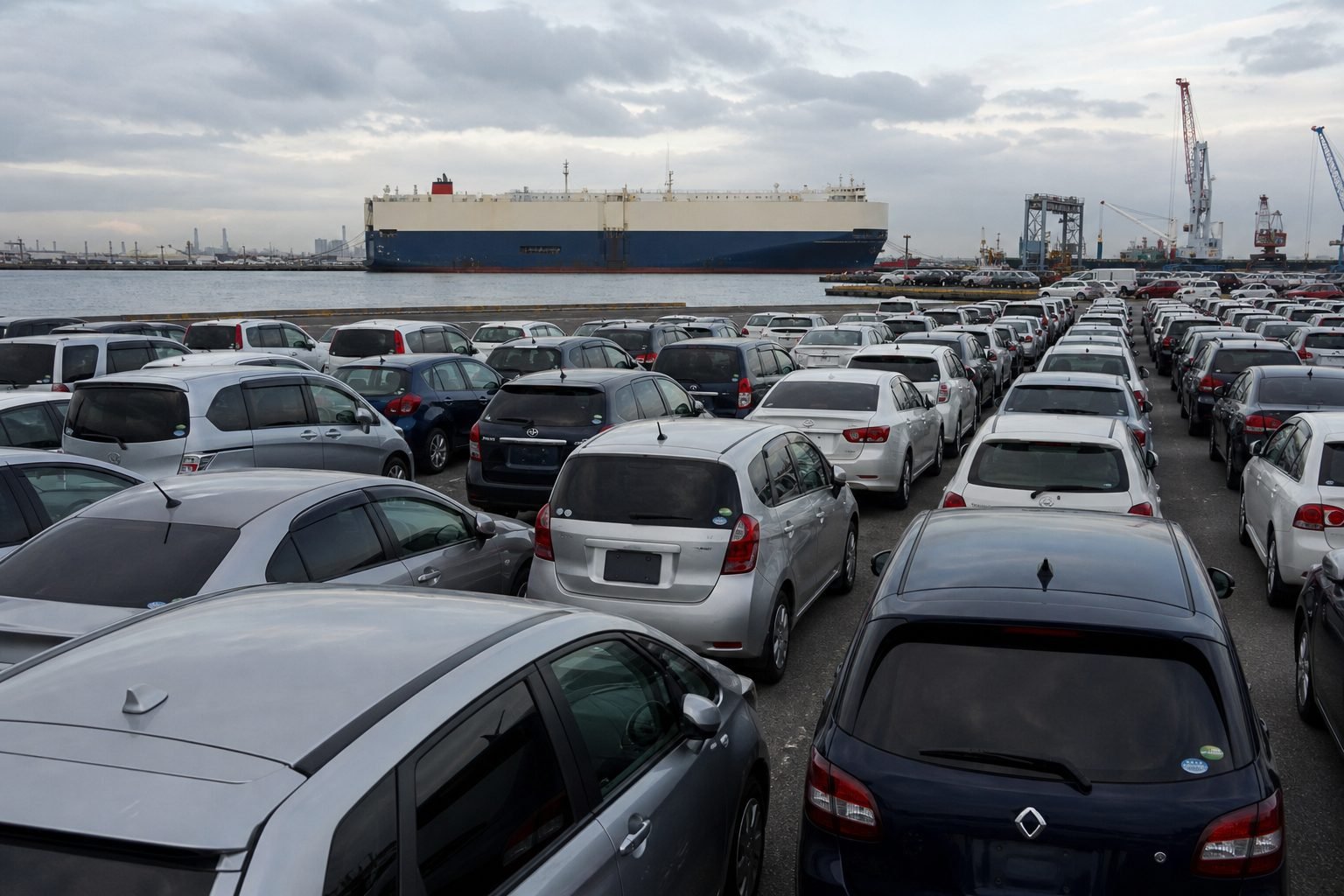
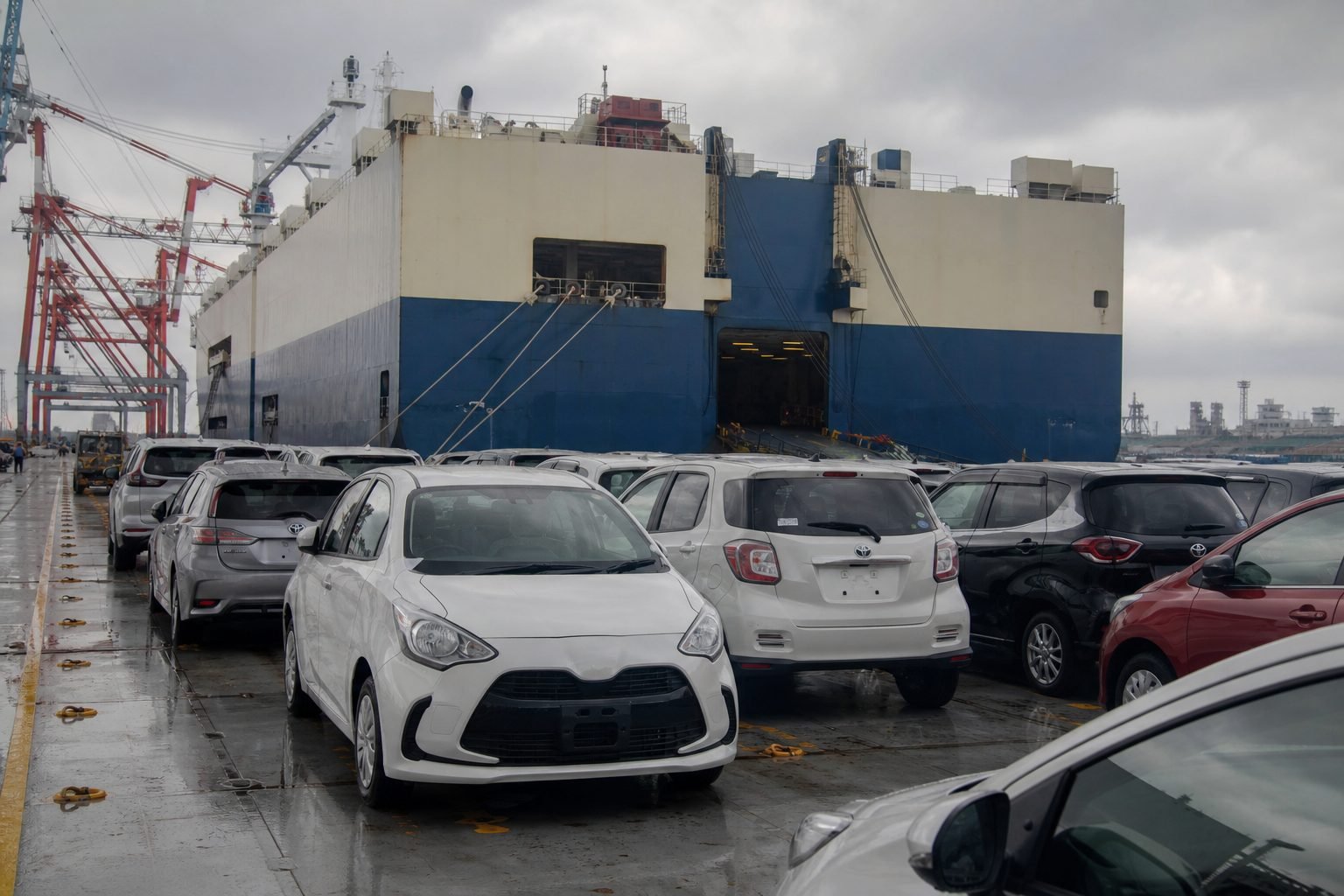
The car sits at the auction yard, not at your apartment in Sasebo and not at the ship. Moving it to Ogori, a packing yard, or a domestic delivery point is a separate yen line. Distance, kei vs regular, and whether a carrier can load immediately all change the quote. Same-island Kyushu hops cost less than a long Honshu haul.
5. Agent / proxy costs (KMC JAPAN)
This is our work: membership, bidding, paperwork, and coordinating pickup. It is quoted on the agreement or on the post-win invoice — not as a secret percentage hidden in the hammer. Ask for that number in English before you set a max bid if you are comparing agents. We will not invent a competitor’s rate here.
English desk for residents and military families: English-speaking car dealer in Japan. Sasebo-specific: near Sasebo.
6. If the car will be exported
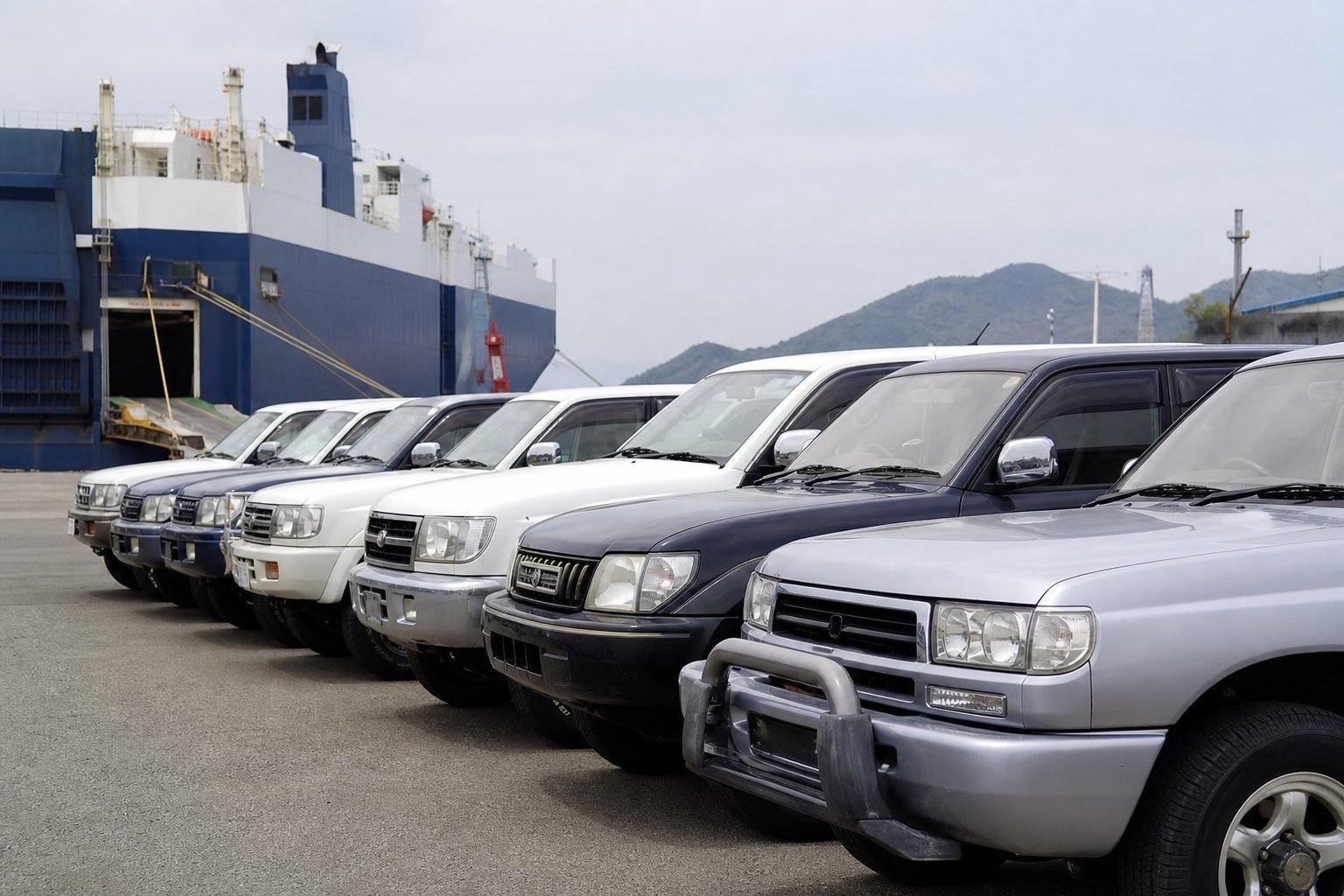
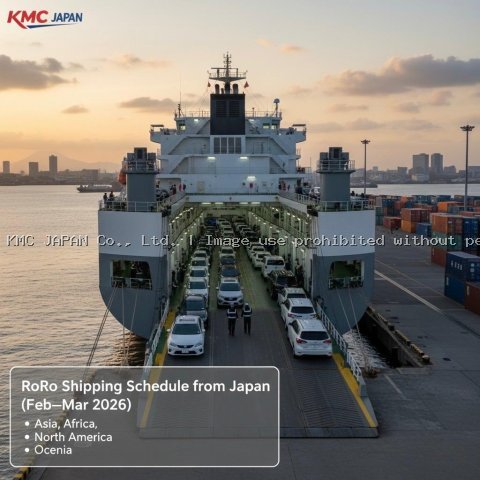
After a win we typically export-deregister (輸出抹消) and move the car toward the port. Extra lines often include:
- Deregistration and number-plate return handling
- Yard / storage until the vessel
- Export inspection or photos if your country or lender needs them
- Ocean freight, local charges at origin, and marine insurance if you ask us to arrange them
Your country’s age limits, steering side, and import duty are your check — they are not Japanese auction fees, but they are part of the real project cost. Overview of leaving with a car you already own: sell or export before leaving Japan.
7. If you will register the car in Japan
This stack is not an “auction fee,” but it is why a 乗り出し total is higher than the clock:
- 名義変更 (name change) at the transport branch or kei office that matches your address
- 車庫証明 (parking-location certificate) — police fees are prefectural; drafts: kmcjapan.org
- Automobile tax / kei tax as assessed for that car and month
- Weight tax and shaken if inspection is due
- Compulsory 自賠責 and, separately, 任意 insurance — insurance explained
Kyushu residents: buy a used car in Kyushu as a foreigner. Yearly running costs after you have the car: cost to own a car in Japan.
8. A simple way to budget (without fake hall tables)
- Set a hammer ceiling you can live with
- Ask us for a working “landed in Ogori” estimate: hammer + hall buyer charges + tax treatment + recycle + 陸送 + our fee
- Then add either the export quote (to FOB or to your port) or the Japan 乗り出し quote (registration, parking, shaken if needed)
- Keep a buffer for storage if documents or funds are slow
Kei vs regular changes recycle, tax, and sometimes transport: kei vs regular. Cheap models people actually keep: best cheap used cars.
How to start
Send make, year, budget, lot number if you have a sheet, and export or Japan use. We bid only after the matching contract and deposit. Live auction stock: auction cars. Yard stock: inventory.
This article is a cost map, not a venue tariff and not tax or customs advice. Hall fee tables and statutory rates change. The invoice you sign is the one that counts.