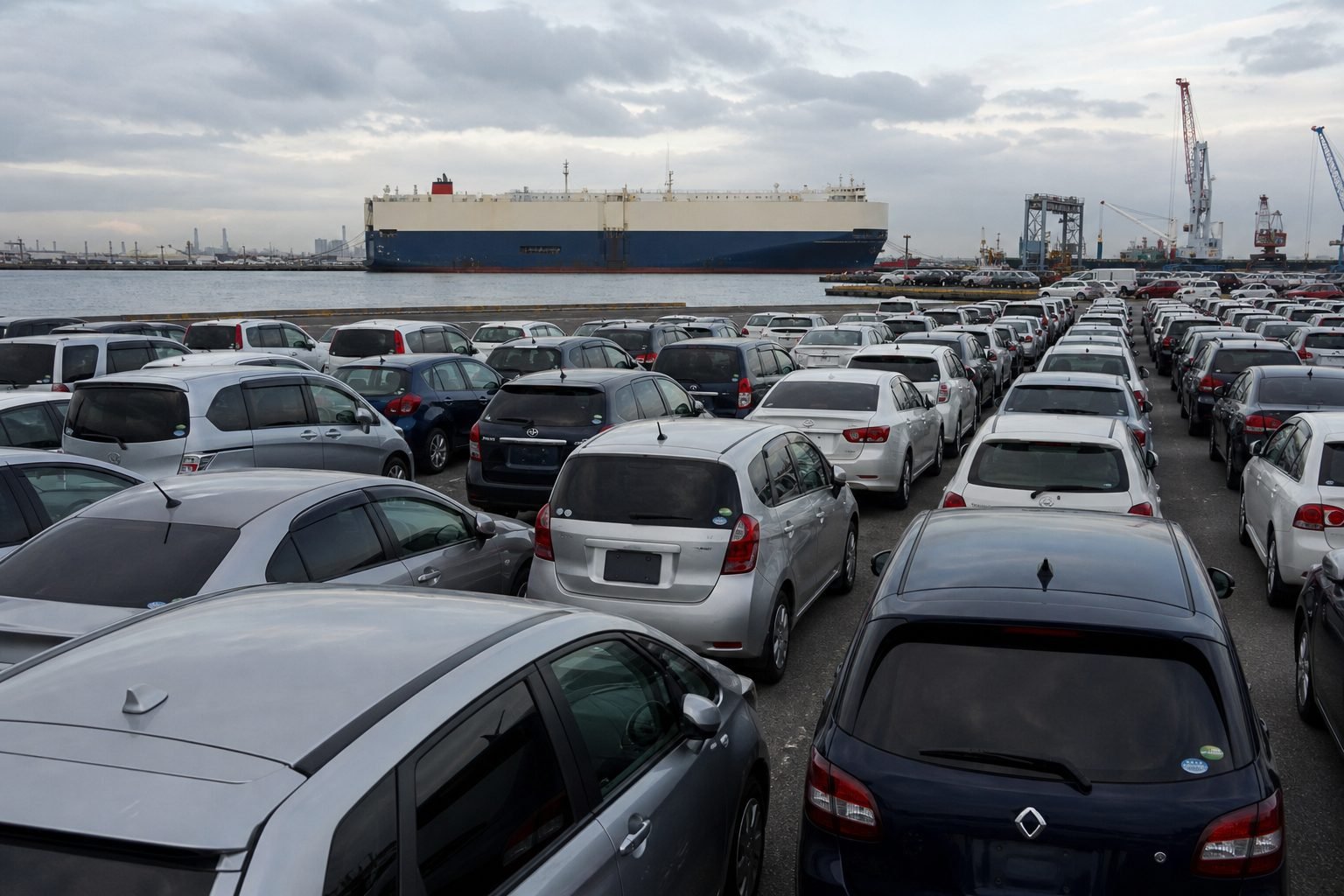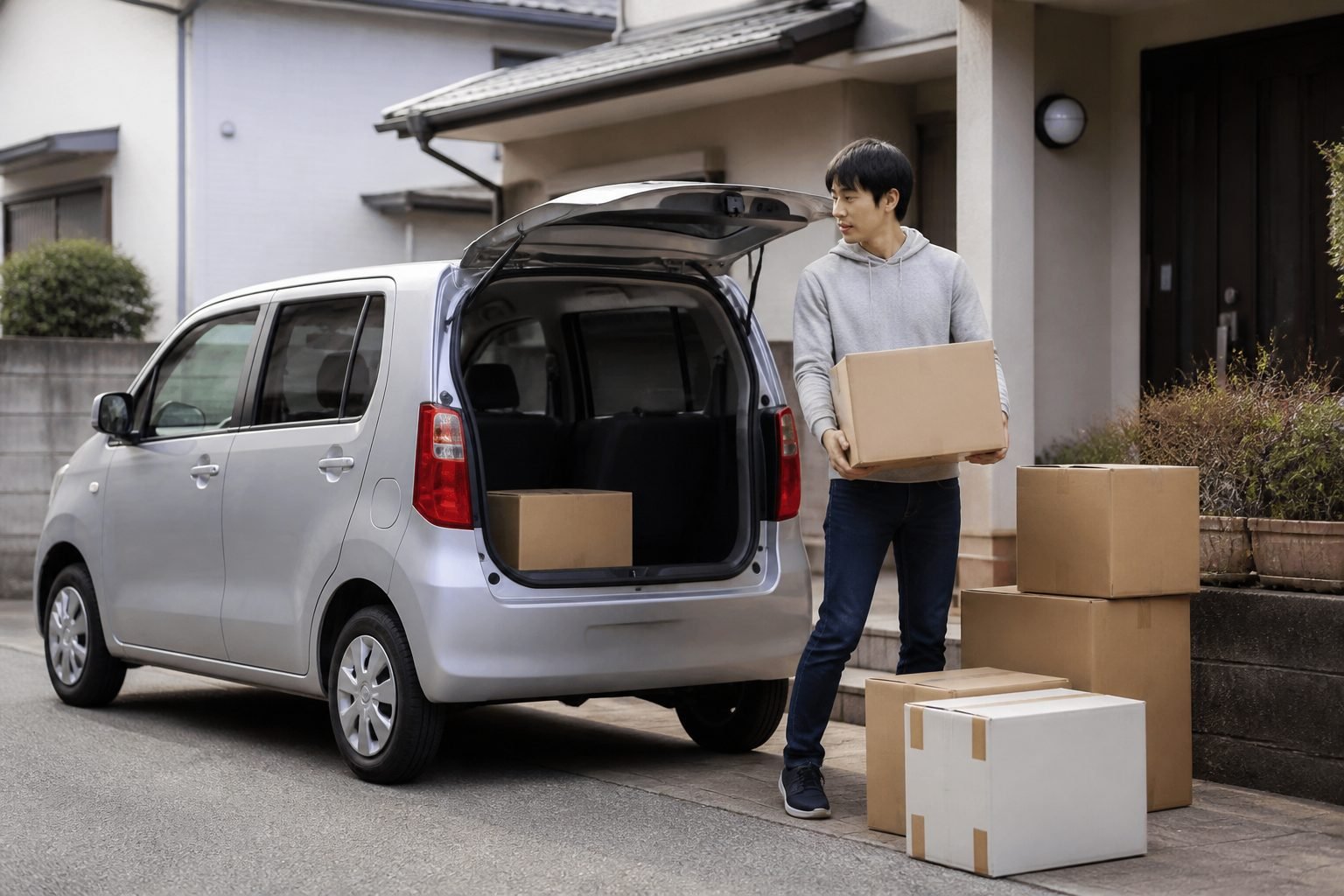
If you are moving out of Japan, a car registered in your name cannot just sit and wait. Insurance, shaken (車検), parking, and tax keep running until the registration is changed, exported, or cancelled. Plan this weeks before your flight, not at the airport.
KMC JAPAN can help on two tracks: domestic purchase through kmccar.com (車買取), and export / shipping through kmcjapan.co.jp. Paperwork such as invoices or a parking-location certificate for a friend who will keep the car can be drafted in the member portal on kmcjapan.org.
Your four main options
| Option | Best when | Typical outcome |
|---|---|---|
| Sell in Japan | You want a fast handover and yen in the account | Buyer (or dealer) takes the car and the name change |
| Export it | You will keep driving it in your next country | 輸出抹消, shipping, then import at destination |
| Transfer to someone who stays | A colleague or family member will use it here | 名義変更; they may need 車庫証明 |
| Scrap / recycle | The car has little market value | Permanent deletion (永久抹消) and recycle fee settlement |
1. Sell the car before you leave
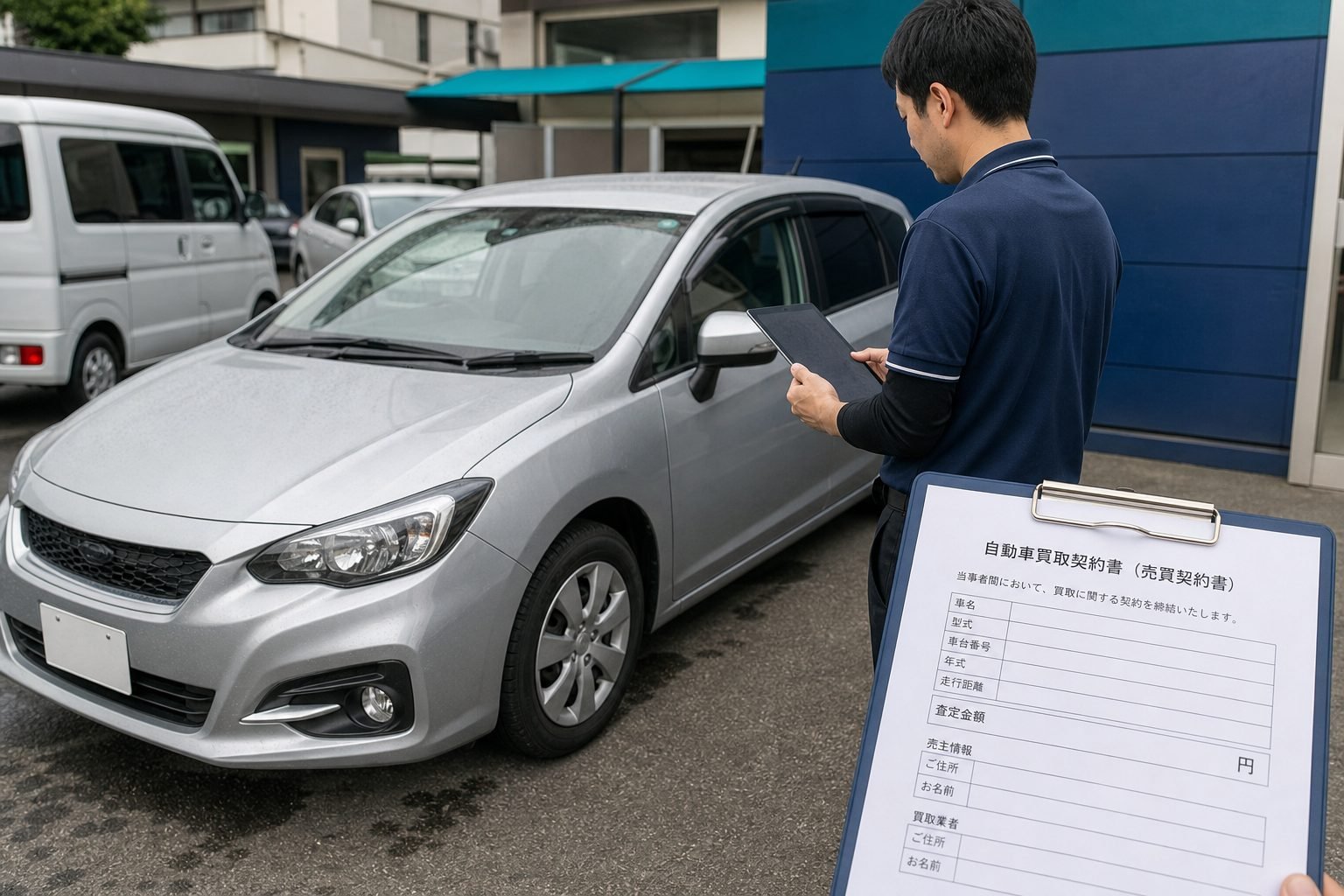
For most residents, selling locally is the cleanest exit. A licensed buyer inspects the car, agrees a price, and handles (or walks you through) the name change at the transport office.
Have ready:
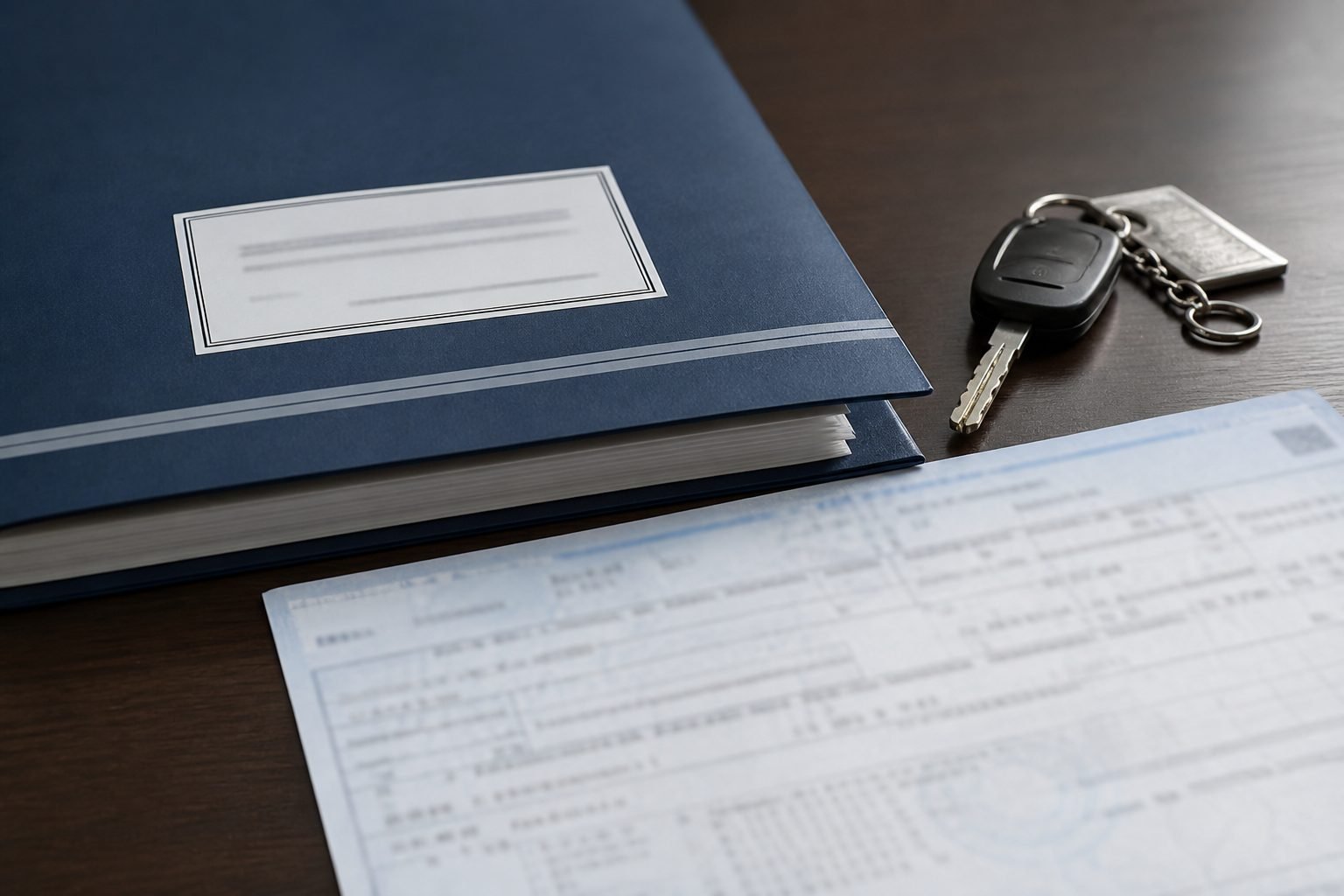
- Car inspection certificate (車検証)
- Your seal (印鑑) and, for many sales, a seal registration certificate (印鑑証明書) issued recently
- Optional: spare keys, navigation SD, service book, winter tires
- Parking and insurance details so the buyer can switch 自賠責 / optional cover
If shaken is close to expiry, say so early — it affects the offer. Unpaid parking tickets or a loan still on the car must be cleared before transfer.
Request a Japanese buyback quote from kmccar.com. For an English-speaking export desk, contact KMC JAPAN.
2. Take the car with you (export)
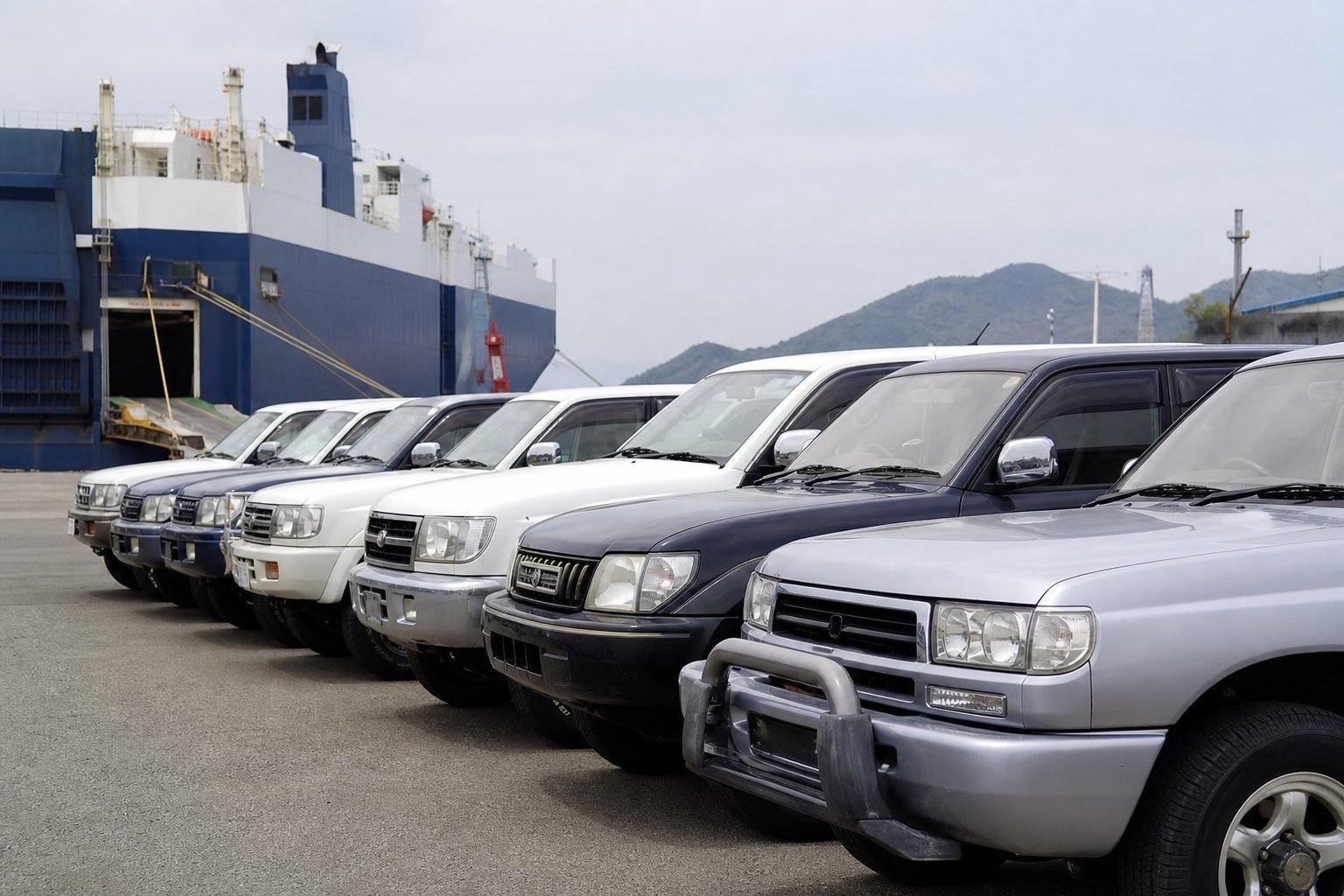
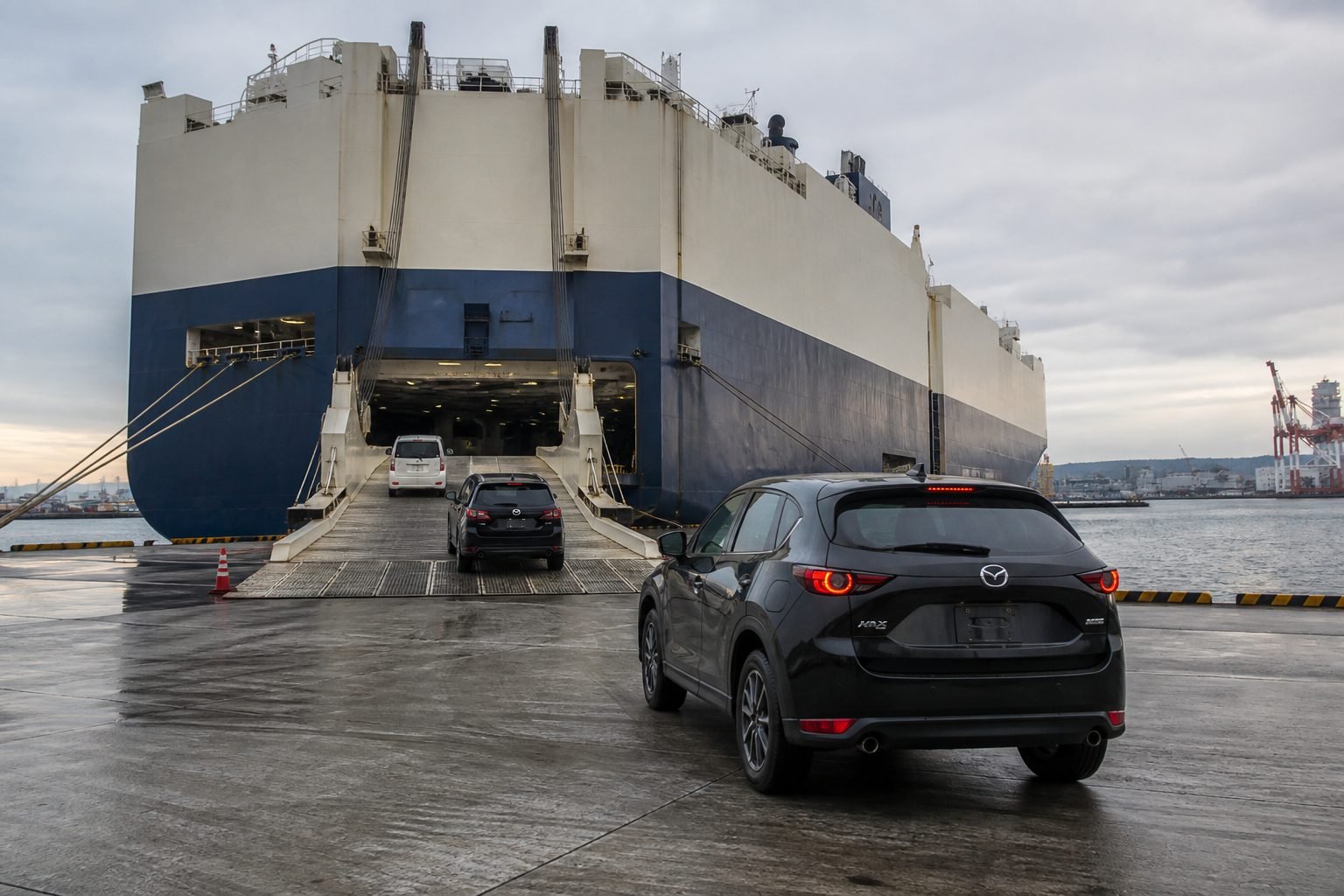
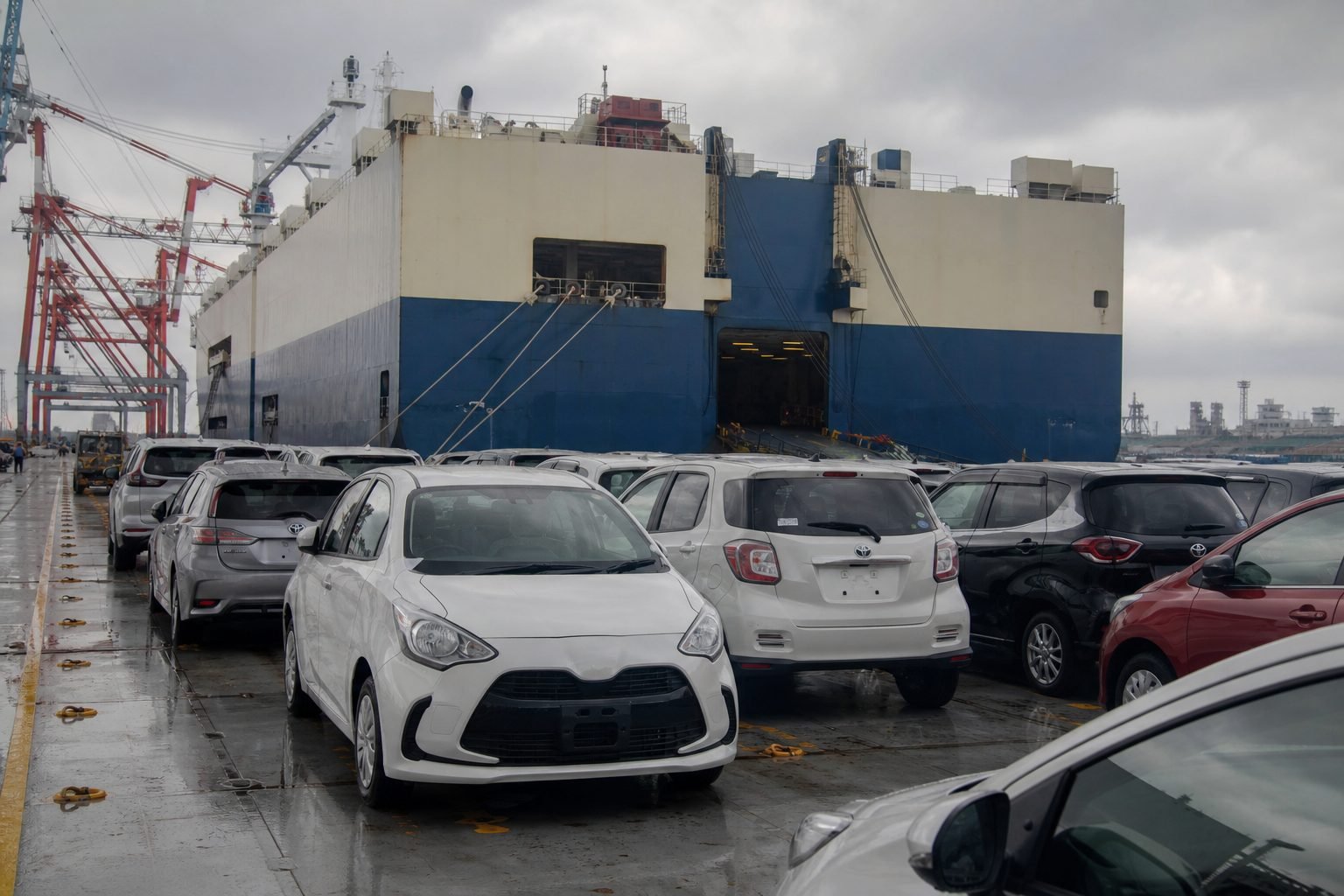
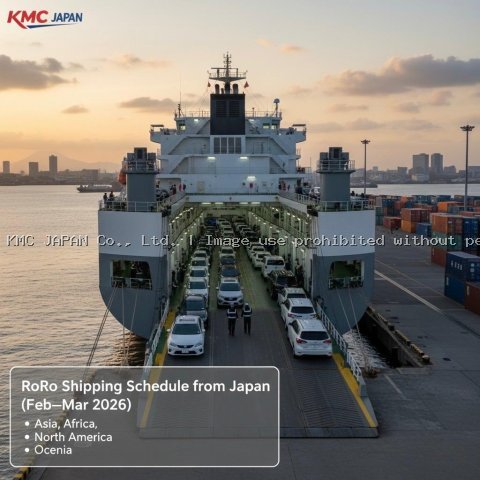
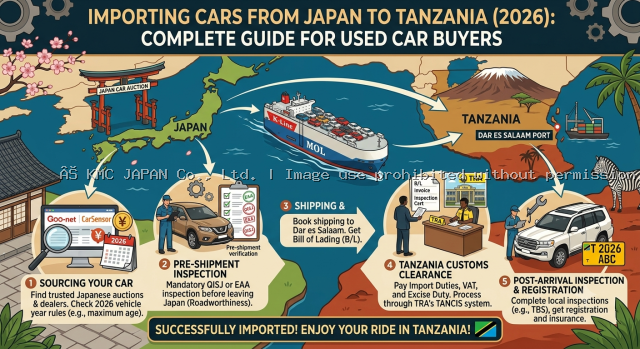
You can ship a car you already own. That is different from buying at auction for resale: you still need export erasure (輸出抹消仮登録) so the vehicle is no longer registered for Japanese roads, plus a shipping slot (RORO or container).
- Confirm the destination country allows your year, steering side, and emissions rules
- Budget ocean freight, Japanese yard/export fees, and import duty/VAT on arrival
- Keep the export certificate; customs at destination will ask for it
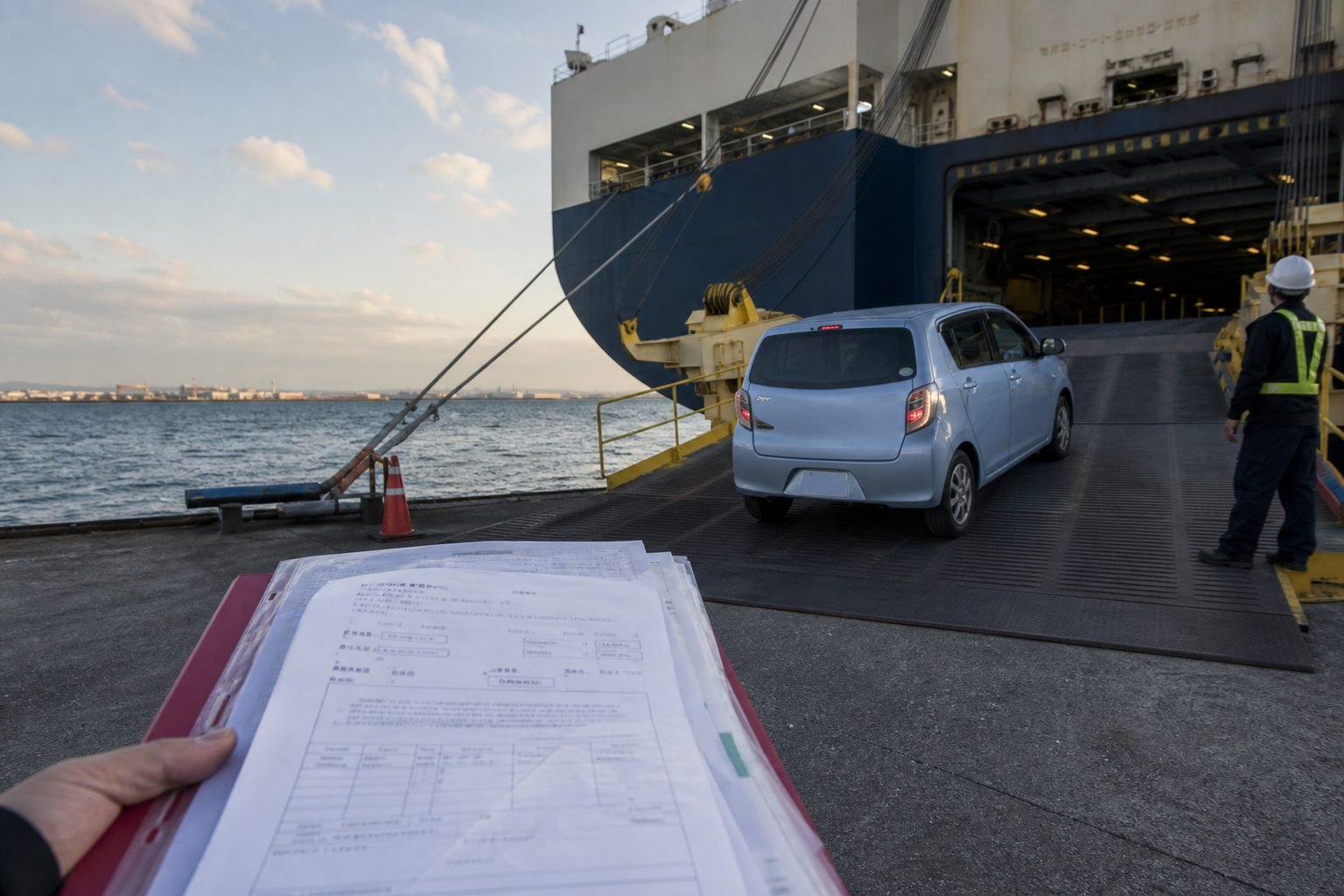
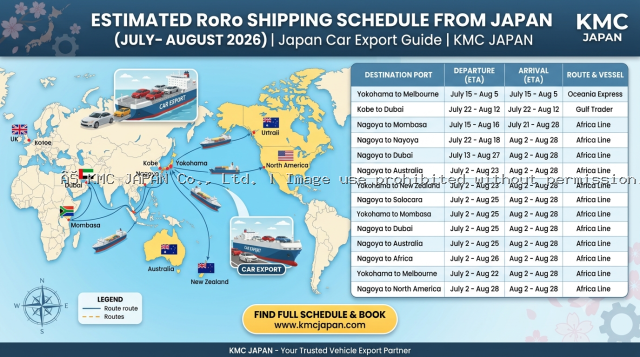
Start the shipping conversation on kmcjapan.co.jp or via the contact form. Tell us the chassis number, destination port, and your departure date.
3. Leave it with someone in Japan
A “I’ll leave the keys with a friend” arrangement is risky if the 車検証 still shows your name. After you leave, they cannot easily tax, insure, or sell it, and you remain the registered user.
Do a proper 名義変更 (name change) before you fly. The new keeper usually needs a parking-location certificate (車庫証明). They can read the process and draft the forms here:
How to get a parking certificate in Japan Create the forms on kmcjapan.org
Product details for the portal tool: parking-location certificates on kmcjapan.org.
4. Scrap it
If offers are below scrap value, a recycle plant can dismantle the car. You (or the agent) file permanent deletion and settle the recycle fee. Keep the recycle ticket and deletion papers for your records.
Suggested timeline
- 6–8 weeks out: Decide sell vs export vs transfer. Photograph the car and gather 車検証.
- 4 weeks out: Get buyback or shipping quotes. Book a transport-office day if you must appear in person.
- 2 weeks out: Complete name change, export erasure, or scrap. Cancel optional insurance after handover.
- Before you fly: Return ETC, cancel parking, and keep PDF copies of every stamp page.
What we can do
- Sell in Japan: kmccar.com — domestic 買取
- Export / ship: kmcjapan.co.jp — used cars and personal-export handling
- Forms for a transfer: kmcjapan.org — invoices, estimates, and 車庫証明 drafts
This is a practical overview, not legal or tax advice. Transport branches and prefectures set the current forms and fees.