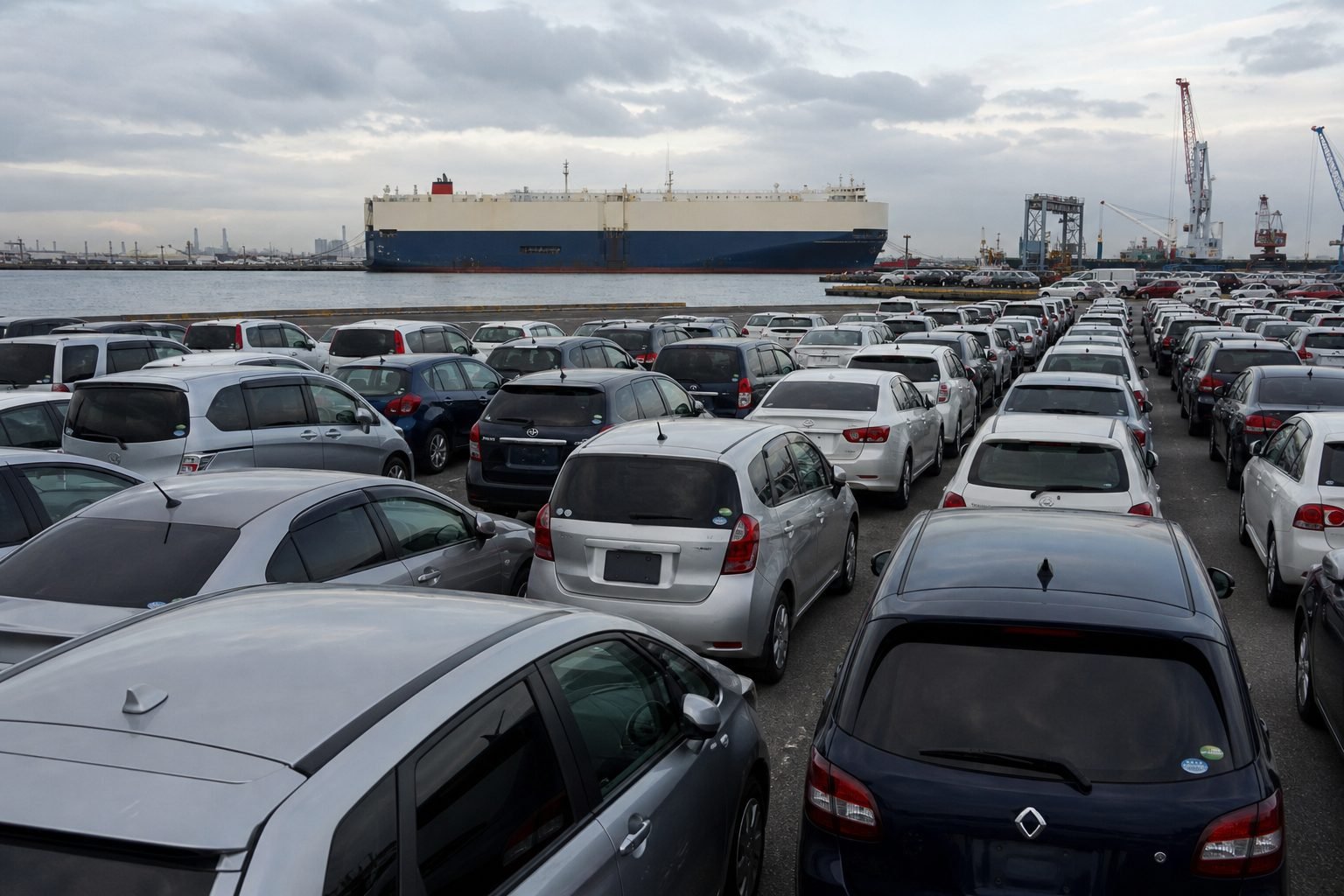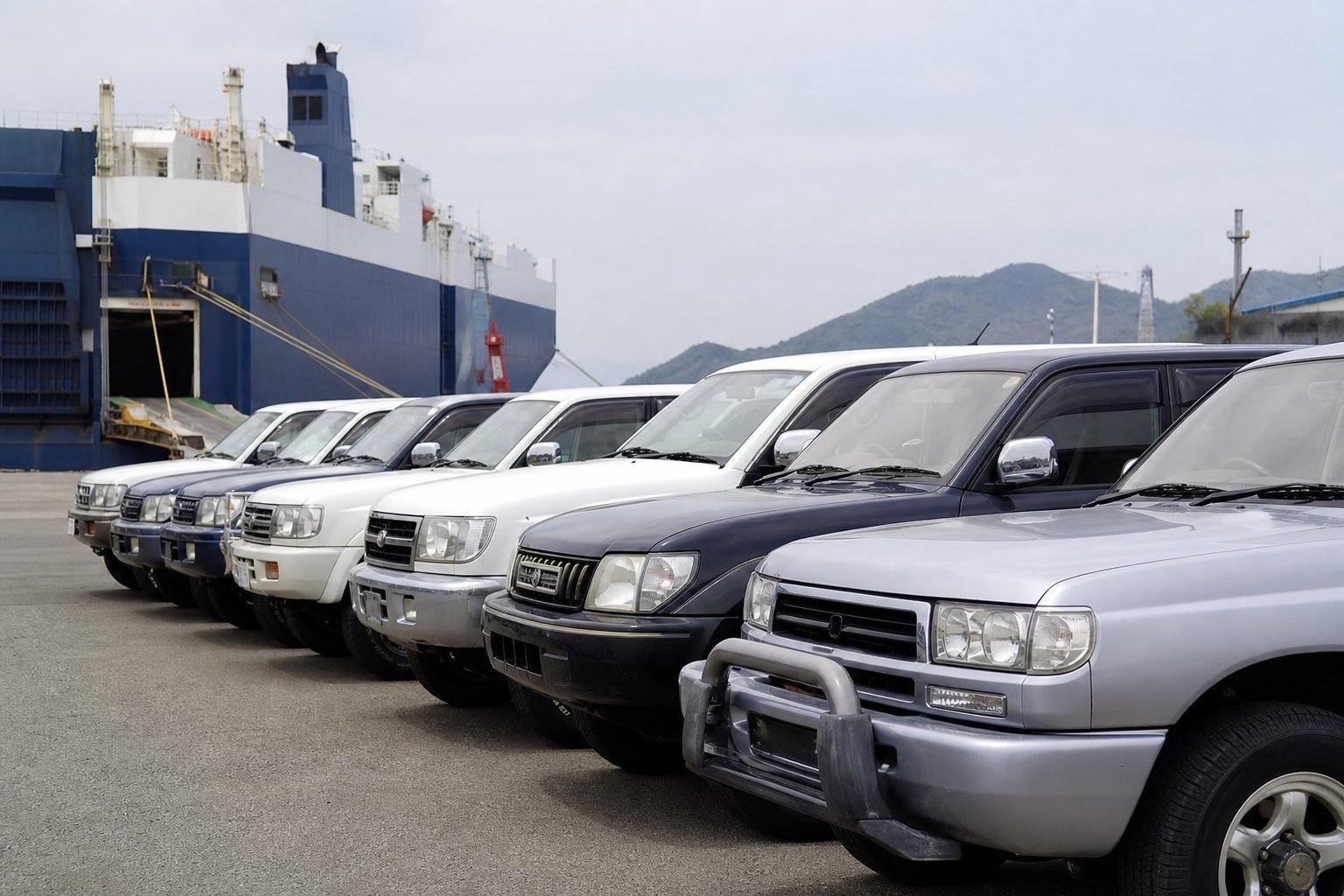
People search this hoping for a single dollar number. Japanese car export does not work that way. A kei to Hong Kong is not a Prado to Dar es Salaam. RoRo space, fuel, and your country’s duty all move. We will not publish a fake “$850–$1,300 worldwide” band — our own buying guide already says that figure does not cover every RHD market.
What you can do is stack the bill, then get a quote on one car and one port. KMC JAPAN helps customers in Sasebo and across Kyushu find Japanese used cars, including affordable kei cars, compact cars, SUVs, minivans and hybrids, and we ship from the Ogori, Fukuoka desk. Planning tool: shipping calculator. Letters on the quote: FOB vs CIF vs CNF.
Ask for a freight quote View cars
The three wallets (do not mix them)
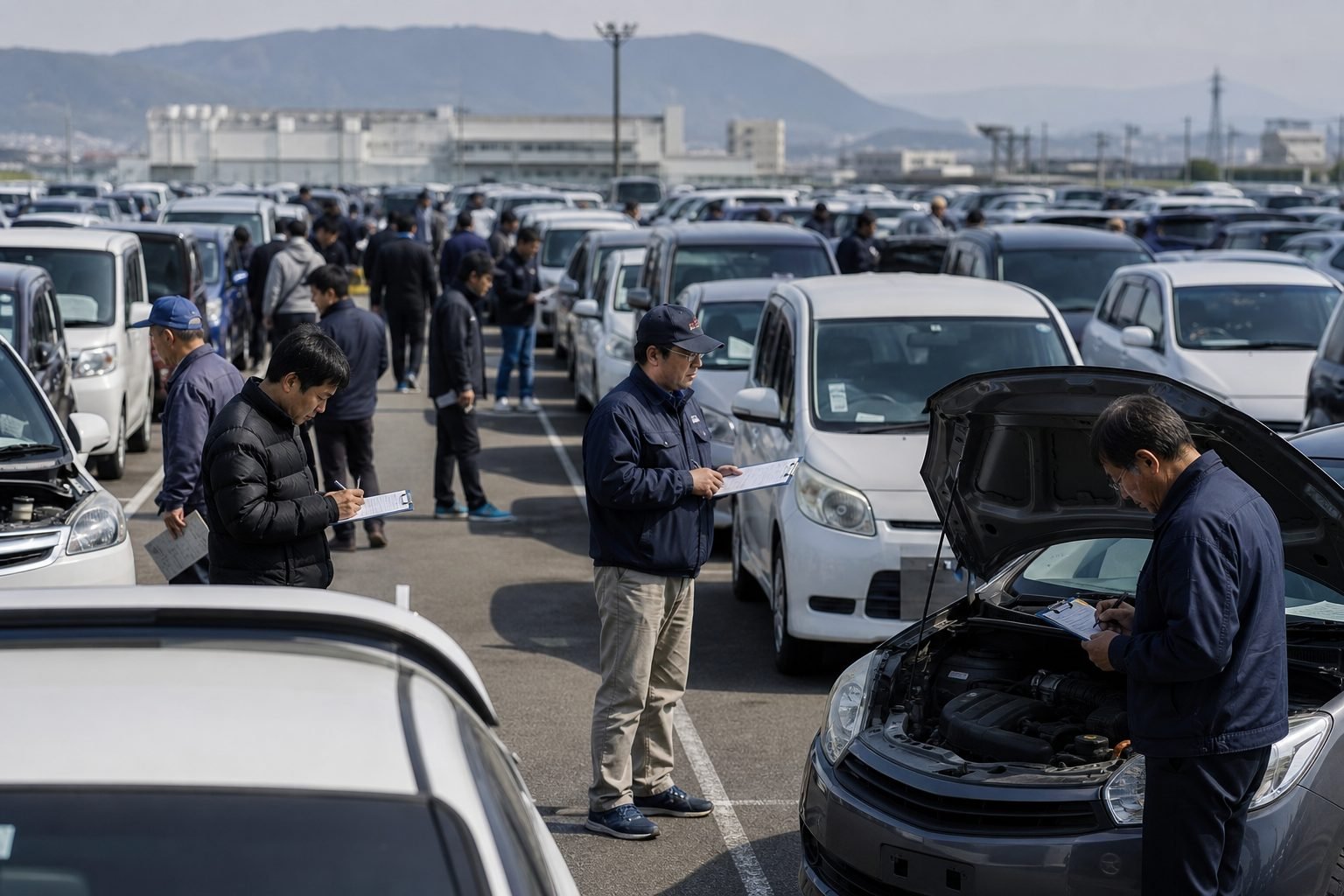
- Japan / FOB — the car, auction or stock costs, export deregistration, inland to the named Japanese load port, loading as quoted. A cheap hammer is not FOB: ¥300,000 auction real cost
- Ocean — RoRo or container to the named destination port, plus marine insurance if you buy CIF or a separate policy
- Destination — duty, VAT/GST, clearing, inland after the port. Not a flat % of CIF. Country pages on this site; your broker wins
If someone DMs “shipping $900 all-in including tax,” treat it as a scam pattern: auction / export scams.
What actually moves the ocean line
- Port pair — Hakata / Moji / other Kyushu loaders vs Tokyo Bay; Mombasa vs Dar vs Chittagong vs Auckland vs a US port
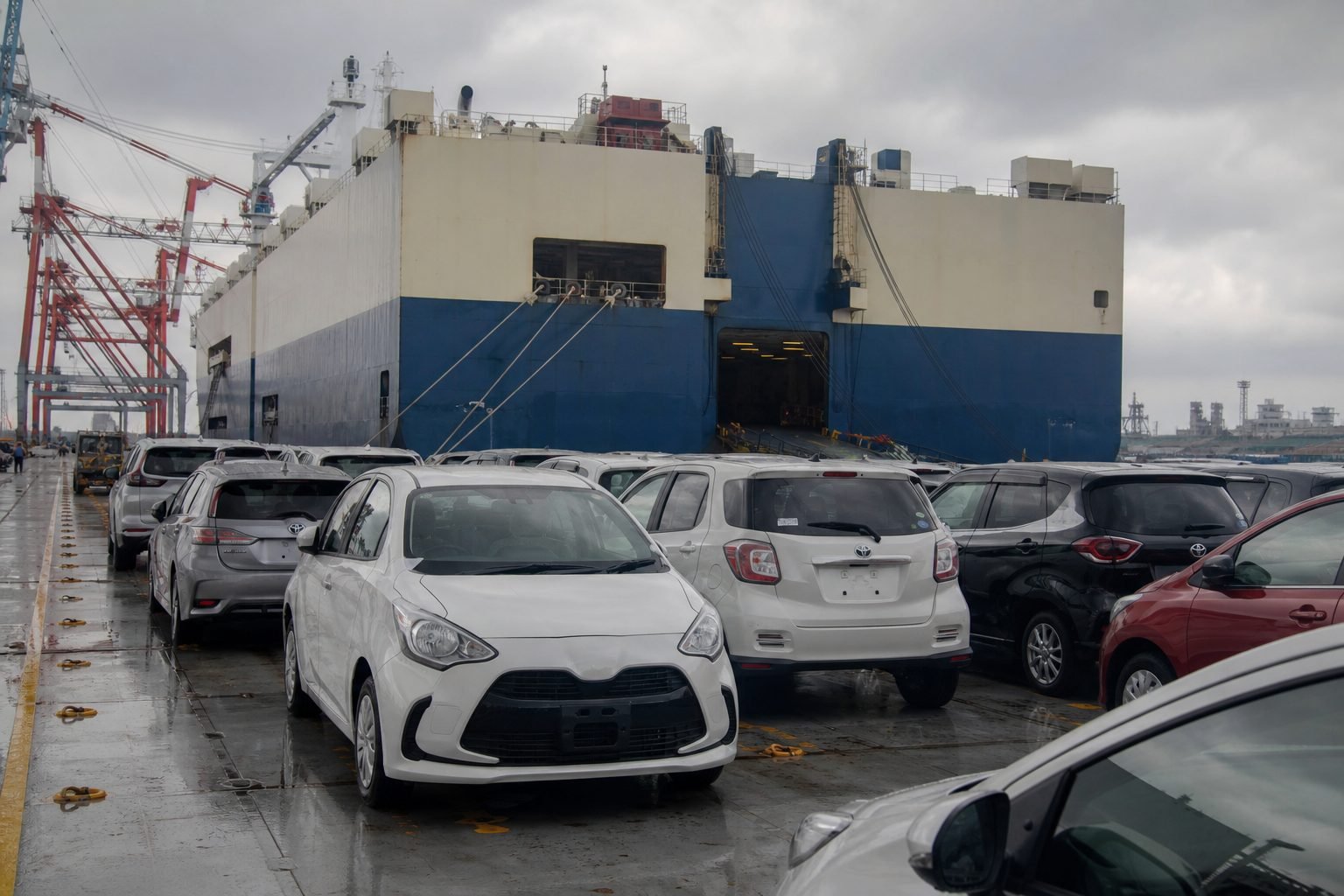
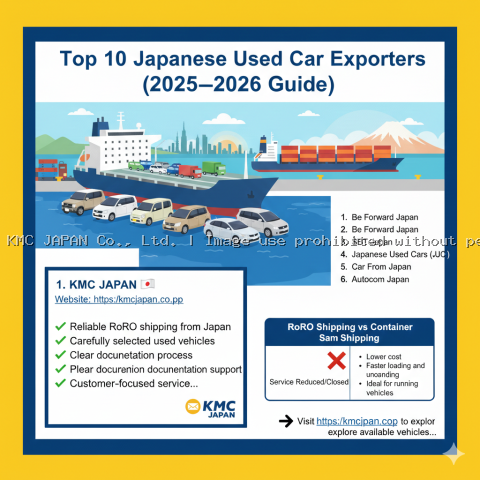
- RoRo vs container — RoRo is the usual used-car product. Container (or a shared box) is a different quote: dimensions, extra handling, different sailing
- Size — kei vs compact vs minivan vs SUV. Our calculator uses volume (CBM). A default compact is not your Stepwgn
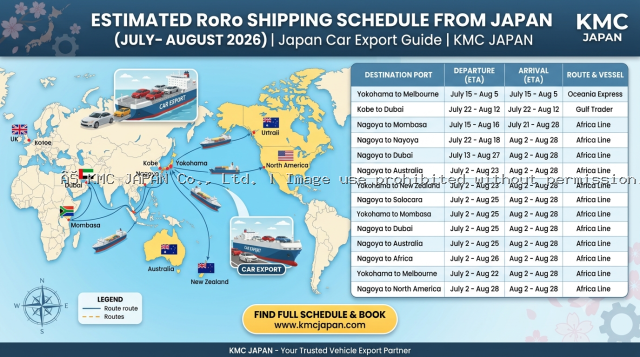
- Schedule — space and bunker. A rate from last month is not this month’s invoice
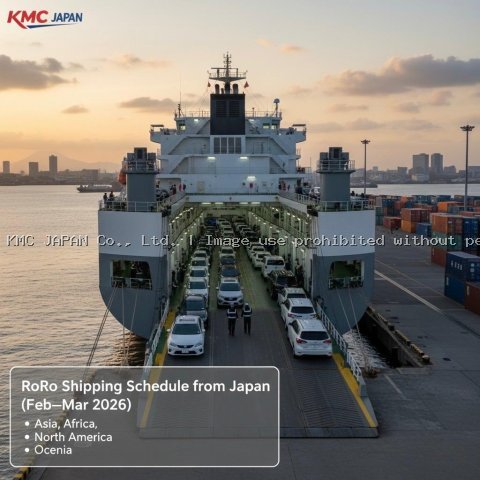
Typical transit on our how-to-buy page is on the order of 3–6 weeks depending on destination. Hong Kong and New Zealand are often faster than East Africa. That is sailing plus port congestion, not a promise on your booking.
How to get a number you can use
- Open the calculator — it applies the active rates we have stored for that country/port (freight per CBM, handling, inspection, insurance formula). It is a plan, not a customs assessment and not a locked RoRo booking
- Email the chassis or lot, destination port, and RoRo vs box
- We confirm FOB or CNF/CIF on that unit. Contract and deposit if it is an auction bid: proxy bidding
Personal car on PCS (you already own it) is the same ocean market, different Japan paperwork: PCS sell or export, leaving Japan.
Kei vs SUV (why “one price” is wrong)
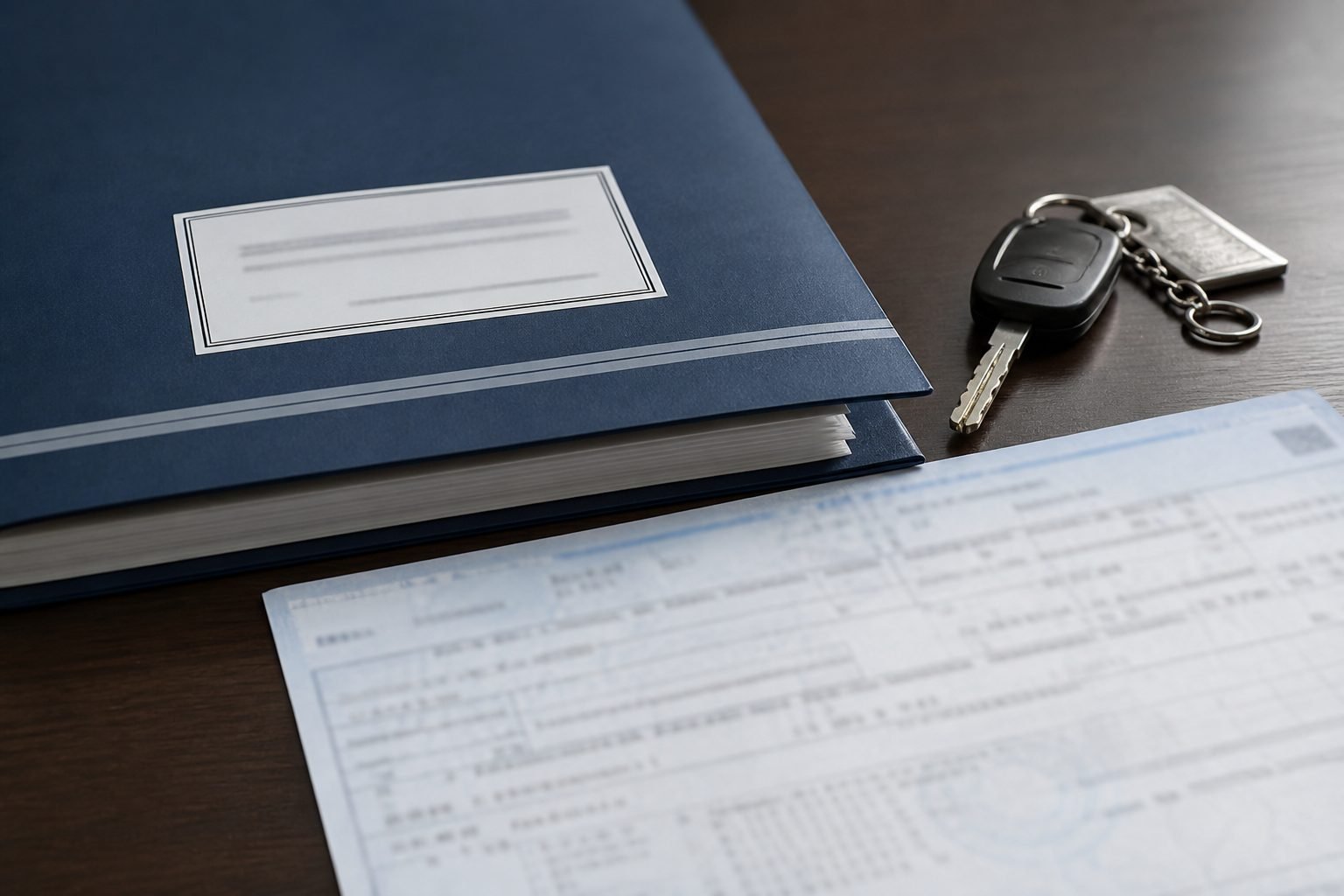
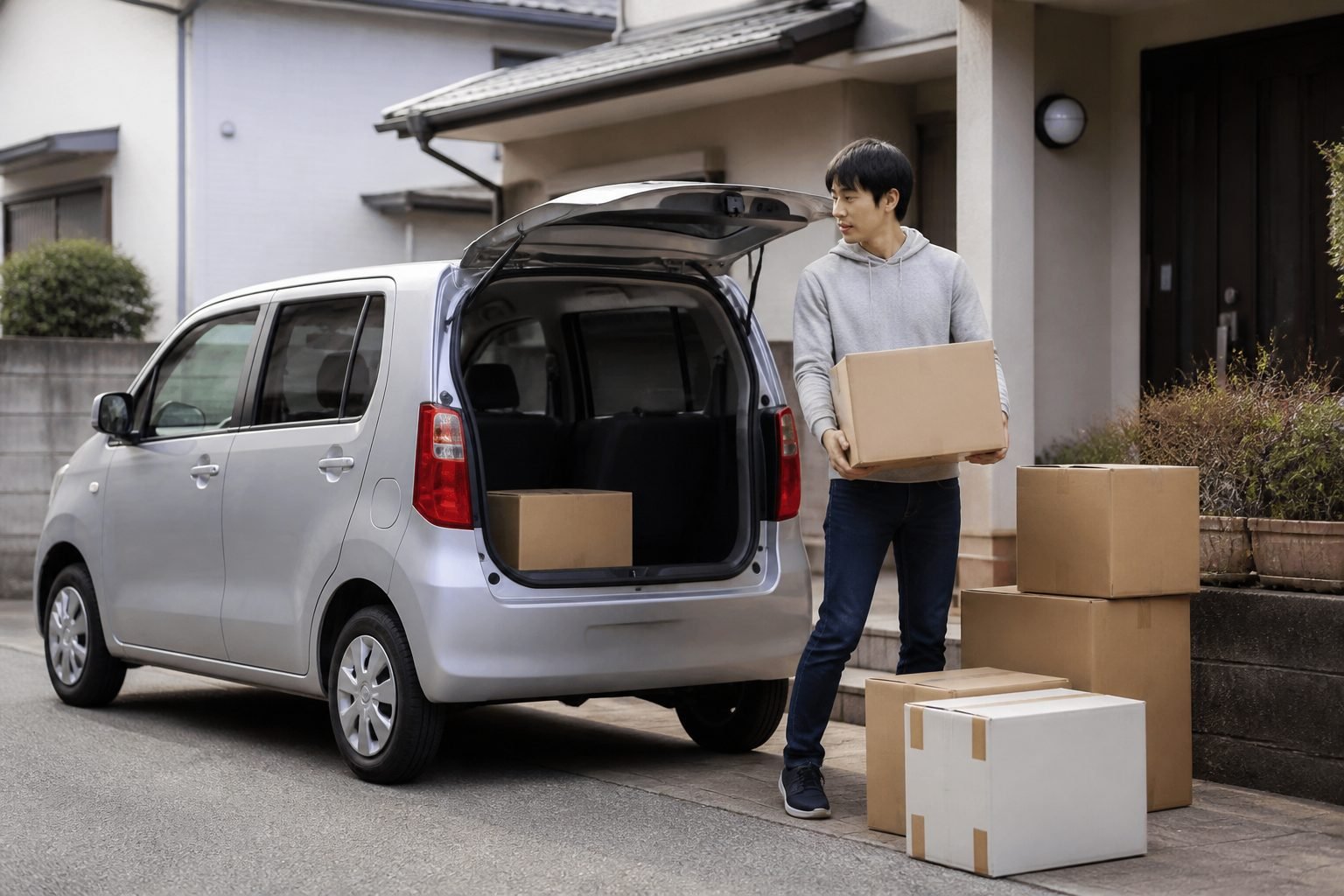
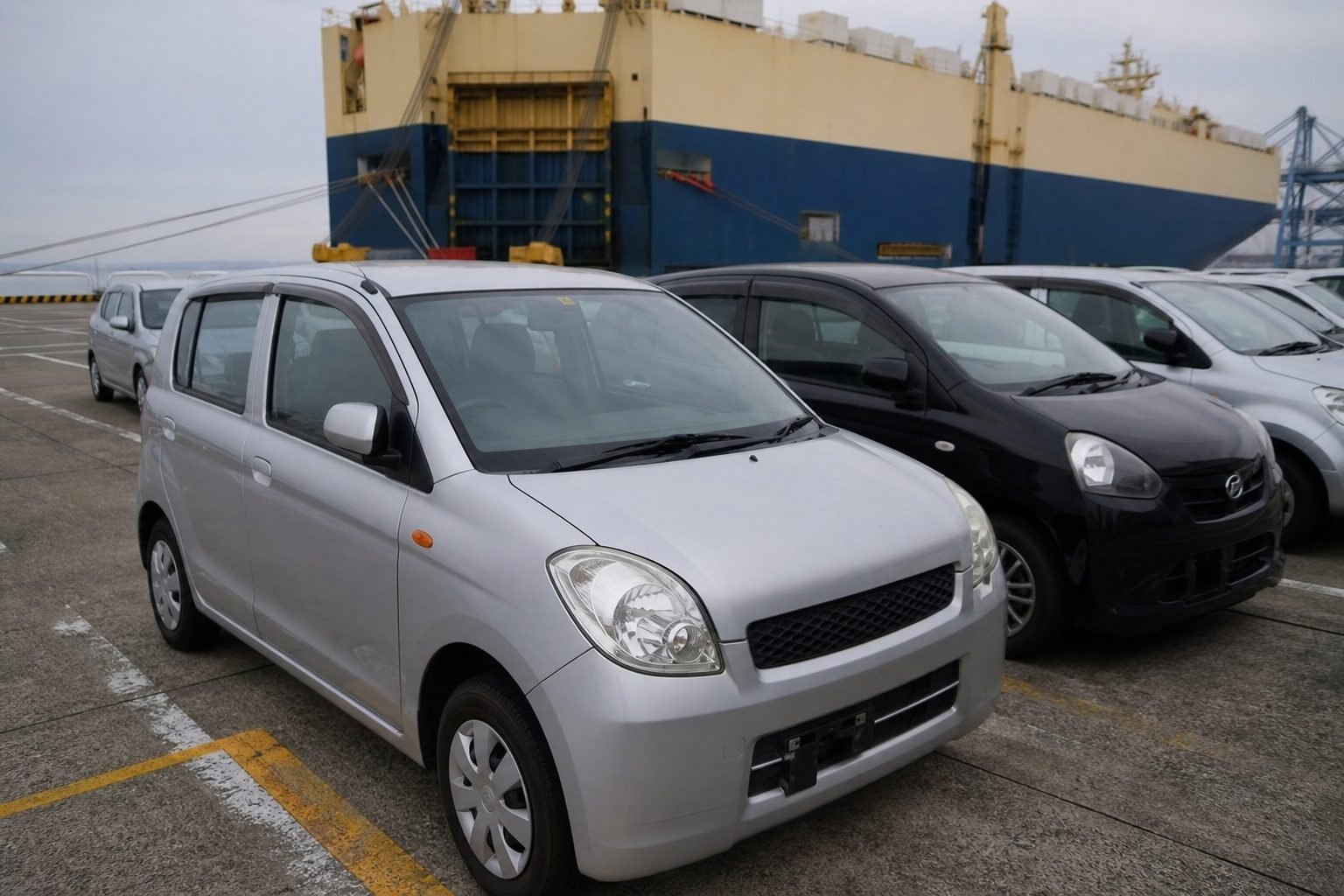
A 軽自動車 is short and often cheaper to stow. A Delica or Prado occupies more deck and more CBM. Fuel in Japan is irrelevant to freight; length, width, height, and the carrier’s stowage rules are. Measure the 車検証 or the auction sheet, do not guess from the model nickname.
What we need in the first email
- Car (stock URL, lot, or chassis)
- Load idea (Kyushu is our home water; other Japanese ports add 陸送)
- Discharge port and whether you want FOB, CNF, or CIF
English desk: English-speaking dealer. Import rules by country: import guides. Sheet before you ship a wreck: auction symbols.
Not a tariff filing, not legal or customs advice. Carriers and destination authorities override the calculator. Ask for the stack on the actual car.