How to Bid at Japanese Auto Auctions: Step-by-Step Guide for International Buyers
Japanese auto auctions are the world's leading marketplace for used vehicles, offering hundreds of thousands of cars, trucks, vans, SUVs, and commercial vehicles every week. Buyers from around the globe choose Japanese auctions because of their competitive prices, reliable vehicle inspections, and extensive selection.
If you're new to importing vehicles from Japan, understanding the auction bidding process is essential. This guide explains each step so you can bid with confidence and avoid common mistakes.
Can Anyone Bid at Japanese Auto Auctions?
No. Most Japanese auto auctions are wholesale marketplaces that are only open to licensed automobile dealers and registered exporters. International buyers cannot place bids directly. Instead, they work with a trusted exporter such as KMC JAPAN, which bids on their behalf and manages the purchase and export process.
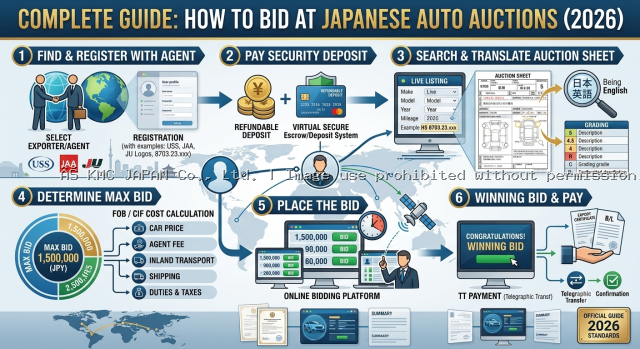
Step 1: Choose a Reliable Japanese Exporter
Your exporter is your representative in Japan. They provide access to auction listings, explain auction sheets, place bids, complete the purchase, arrange shipping, and prepare export documents.
When selecting an exporter, look for:
- Access to all major Japanese auction houses
- Transparent pricing
- Professional customer support
- Auction sheet translation services
- Vehicle inspection assistance
- Worldwide shipping experience
Step 2: Search for Your Preferred Vehicle
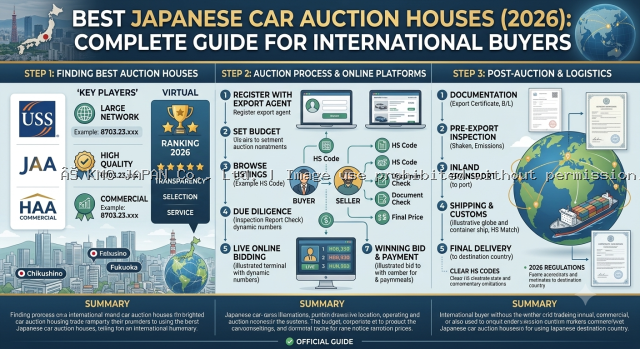
Your exporter can help you search thousands of vehicles listed daily across Japan's major auction networks, including:
- USS Auto Auction
- TAA (Toyota Auto Auction)
- JU Auto Auction
- ARAI Auto Auction
- CAA Auto Auction
- HAA (Honda Auto Auction)
- NAA (Nissan Auto Auction)
You can filter vehicles by:
- Make and model
- Year of manufacture
- Mileage
- Engine size
- Transmission
- Fuel type
- Auction grade
- Budget
Step 3: Review the Auction Sheet Carefully
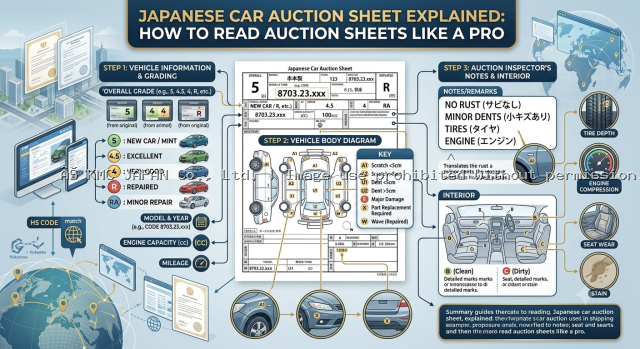
Every vehicle comes with an auction inspection sheet prepared by professional inspectors. It contains important information about the vehicle's condition.
Review the following before bidding:
- Auction grade
- Interior grade
- Exterior condition
- Mileage
- Accident history
- Repair records
- Rust or corrosion
- Engine notes
- Transmission condition
- Tire condition
- Optional equipment
If you cannot read Japanese, ask your exporter for a professional auction sheet translation.
Step 4: Set Your Maximum Bid
Decide the highest amount you are willing to pay before the auction begins. Your budget should include:
- Winning bid price
- Auction fees
- Exporter service fees
- Inland transportation
- Shipping costs
- Marine insurance (optional)
- Destination port charges
- Import duties and taxes
Setting a clear maximum bid helps you avoid overspending during competitive auctions.
Step 5: Place Your Bid
Provide your exporter with your maximum bid before the auction starts. During the live auction, the exporter submits bids electronically on your behalf.
The auction system automatically increases bids until the highest bidder wins or your maximum limit is reached.
Step 6: Auction Results
After the auction ends, one of three outcomes will occur:
- Won: Your bid was the highest, and you purchased the vehicle.
- Lost: Another bidder offered a higher price.
- Negotiation (Tender): The highest bid did not meet the seller's reserve price, and the auction may enter a negotiation process.
Step 7: Complete Payment
After winning, your exporter issues an invoice detailing the vehicle price and associated fees. Payment is generally made by international bank transfer within the agreed timeframe.
Step 8: Vehicle Preparation and Export
Once payment is confirmed, the exporter arranges:
- Vehicle collection from the auction house
- Quality inspection
- Cleaning (if requested)
- Export documentation
- Customs clearance
- Shipping reservation
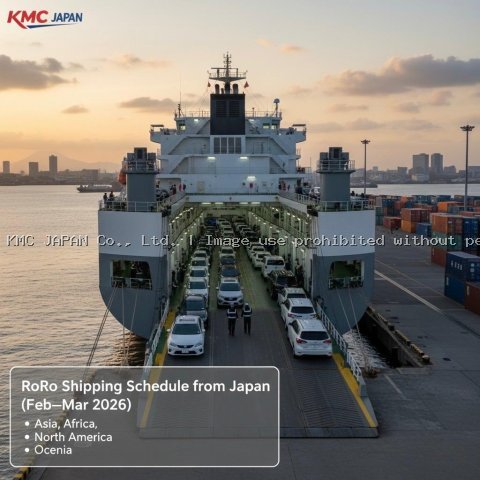
Step 9: Shipping Your Vehicle
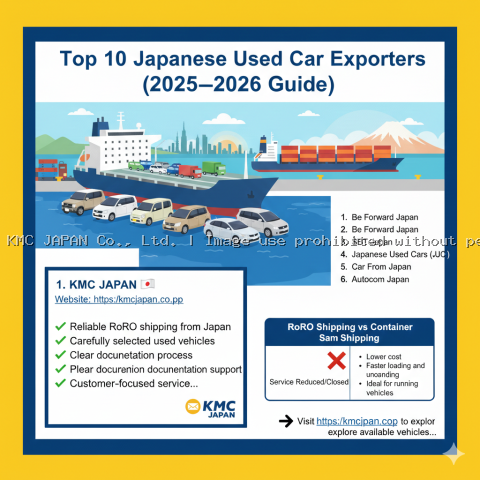
Most vehicles are shipped using one of two methods:
RoRo (Roll-on/Roll-off)
- Lower shipping cost
- Ideal for operational vehicles
- Faster loading process
Container Shipping
- Additional protection during transport
- Suitable for luxury or classic vehicles
- Can ship multiple vehicles or spare parts together
Common Mistakes to Avoid
- Ignoring the auction sheet.
- Bidding without checking your country's import regulations.
- Focusing only on the purchase price.
- Choosing an exporter based only on the lowest fees.
- Not setting a maximum bid.
- Overlooking shipping and customs costs.
Tips for Successful Bidding
- Research market prices before bidding.
- Prioritize vehicles with higher auction grades.
- Request auction sheet translations.
- Be flexible with color and optional features.
- Allow time to find the right vehicle rather than rushing into a purchase.
Why Choose KMC JAPAN?
KMC JAPAN provides access to Japan's leading auto auctions and supports buyers throughout the purchasing process. Our services include auction sheet translations, bidding assistance, vehicle sourcing, export documentation, and worldwide shipping to help you buy with confidence.
Frequently Asked Questions
Can I bid directly from my country?
No. Overseas buyers need a licensed Japanese exporter to place bids on their behalf.
How long does the auction process take?
The bidding itself takes only a few minutes, while shipping preparation typically takes several days after payment.
Is the auction sheet reliable?
Japanese auction sheets are prepared by professional inspectors and are generally considered trustworthy. However, buyers should still review the report carefully and request clarification if needed.
Conclusion
Bidding at Japanese auto auctions is straightforward when you understand the process and work with a reliable exporter. By reviewing auction sheets carefully, setting a realistic budget, and choosing the right shipping method, you can safely purchase quality Japanese vehicles at competitive prices.