 Country-Specific Guide
How to Import a Japanese Used Car to Kenya
A practical 2026 walkthrough: KS 1515 age (2019+ first registration), QISJ CoR, IDF before sailing, Mombasa RoRo, and KRA taxes on CRSP — not a 2× FOB shortcut.
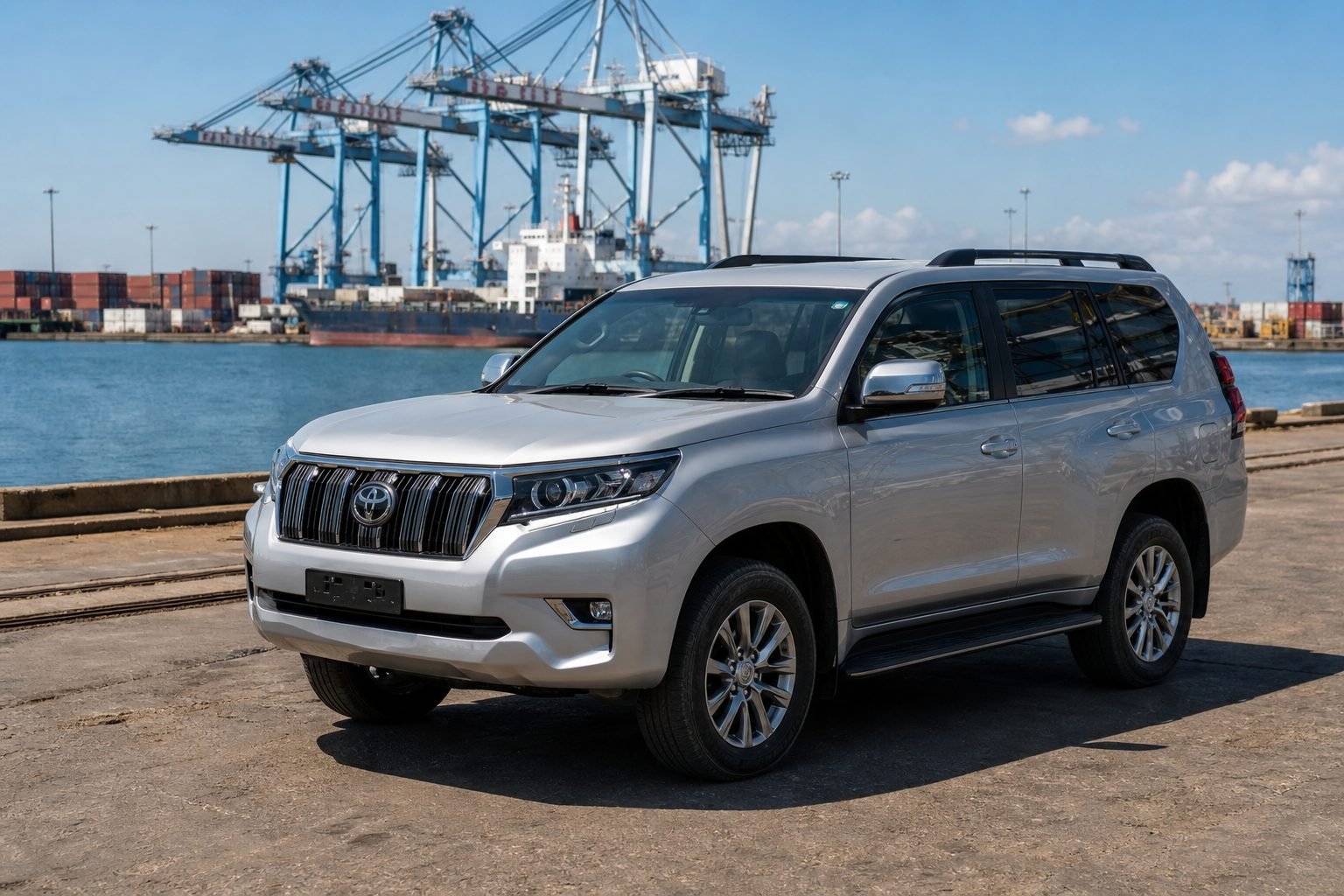
Who this guide is for
This walkthrough is for buyers importing a right-hand-drive Japanese used car into Kenya through Mombasa. It covers the order of work from Japan: eligibility, IDF, QISJ inspection, shipping, KRA payment, and NTSA registration. It is not a substitute for KEBS or KRA notices, which can change with the Finance Act.
If the car is left-hand-drive, older than the KS 1515 cap, or first registered before 2019 (for 2026 arrivals), stop. Those units are not a normal commercial import.
2026 eligibility checklist
KEBS KS 1515 is a ban, not an extra excise band (that is Tanzania’s model). Check all three before the auction:
- First registration 2019 or later for cars arriving in 2026. KEBS’ 17 November 2025 notice: from 1 January 2026 only RHD vehicles first registered on or after 1 January 2019 are allowed. 2018-registered CoRs were not valid after 31 December 2025.
- Manufacture year within one year of first registration. A 2018-built car first registered in 2020 fails even if it looks “new enough”.
- RHD only for normal Kenyan roads. Read the Japanese export certificate, not only the auction sheet headline.
Non-compliant units are rejected at the importer’s cost. Do not load “and sort it in Mombasa”.
Documents you will actually use
| Document | Why it matters |
|---|---|
| KRA PIN | Importer identity for IDF and customs entry. |
| IDF (Import Declaration Form) | Must exist before the car leaves Japan. |
| Japanese export certificate | KEBS uses first-registration year and manufacture year from this, not the invoice story. |
| QISJ Certificate of Roadworthiness | KEBS PVoC for Japan-origin used cars (KS 1515, including radiation and odometer checks). |
| Bill of lading + commercial invoice | Mombasa entry. KRA may still value on CRSP, not the auction hammer. |
| National ID / passport (or company papers) | Clearing and NTSA registration. |
QISJ inspection and IDF (do these in Japan)
KEBS appointed QISJ for used vehicles from Japan under KS 1515. The PVoC manual (v15) lists a Japan inspection fee of USD 155 per unit — confirm the current manual. Arrival without CoR/CoC goes to destination inspection under Legal Notice 78 (2020), which is slower and riskier.
Apply for the IDF before sailing. A car on the water with no IDF is the most common self-inflicted delay we see. Book QISJ before the RoRo cut-off; monthly East Africa sailings do not wait for a late inspection slot.
Shipping to Mombasa
Almost all Japan used cars for Kenya discharge at Mombasa. Sea time is typically 30–45 days. Budget 8–10 weeks door-to-registration when you include purchase, QISJ, export, and KRA/NTSA. Lines commonly used on this route include NYK, MOL, K Line, and Höegh — confirm the sailing, not a generic weekly promise.
What you pay KRA (planning, not a bill)
There is no reliable “2× FOB” shortcut. KRA often uses CRSP (current retail selling price) as the tax base, so a cheap auction car can still clear on a high list value.
| Charge | Typical stack (confirm Finance Act) |
|---|---|
| Import duty | 25% of customs value (CIF / CRSP method) |
| Excise | Commonly 20% of (CIF + duty) at 1500cc and below, 25% above 1500cc |
| VAT | 16% on (CIF + duty + excise) |
| IDF fee | 3.5% of CIF |
| Railway development levy | 2% of CIF |
A stacked “~55%” figure is only a planning illustration. CRSP updates change the payable amount even if FOB does not. Official starting point: KRA motor vehicle procedures.
Typical order of work
- Confirm first-registration year (2019+ in 2026) and manufacture year on the export certificate.
- Apply for the IDF with your KRA PIN.
- Buy the car only after those two checks. Pay FOB.
- QISJ inspection and CoR in Japan.
- Export deregistration, bill of lading, RoRo to Mombasa.
- KRA entry on CRSP; pay duty, excise, VAT, IDF, and RDL.
- NTSA registration, plates, and insurance.
Mistakes that get cars rejected or delayed
- Bidding a 2018 first-registration car “because it is still 8 years in some calculators”.
- Ignoring a manufacture year more than 12 months before first registration.
- Loading without QISJ CoR because the sailing was leaving.
- Shipping before the IDF is in place.
- Budgeting from auction price instead of CRSP.
- Comparing Kenya to Tanzania: Tanzania counts age from manufacture and uses extra excise on older cars; Kenya’s 8-year rule is a hard KEBS gate from first registration.
What to do next
Open the Kenya regulation page for documents, inspection notes, and source links. Send us the chassis, first-registration year, and destination if you want a pre-bid eligibility check. Browse current stock or contact KMC JAPAN — we will not recommend a unit that fails KS 1515.
Kenya import FAQs
Ready to import from Japan?
Tell us the destination and the vehicle. We check eligibility before you commit.