How to Import a Japanese Used Car (2026 Overview)
The real order of work from Japan to registration — eligibility first, then inspection, shipping, and destination tax. Not a 2× FOB shortcut.
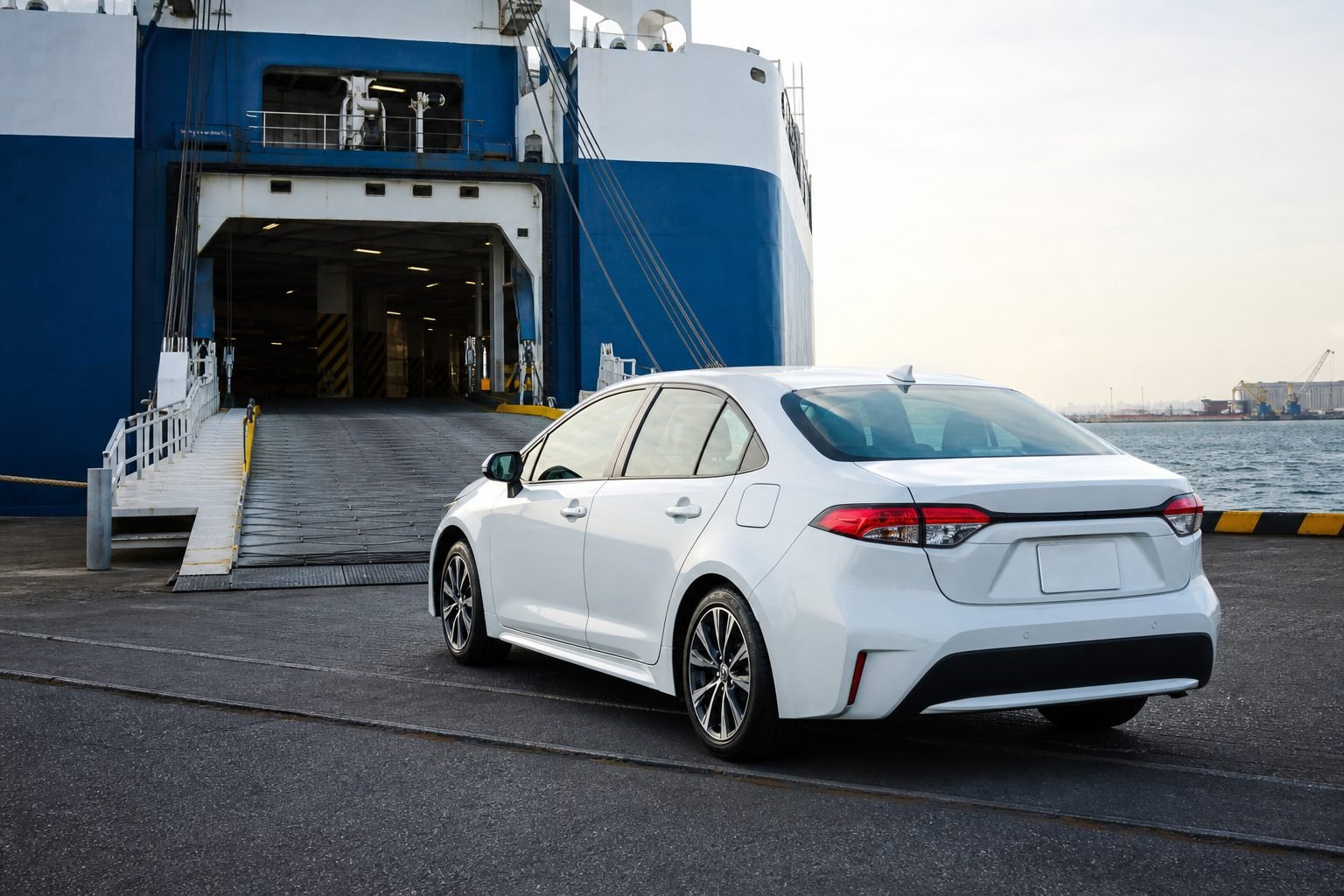
Importing a Japanese used car is a sequence: eligibility, purchase, inspection, export, ocean shipping, destination customs, then registration. The details change by country. Use this page for the order of work, then open the matching country regulation page.
1. Confirm the car is legal to import
Check three things on the Japanese export certificate before you bid: steering (RHD vs LHD), age rule (manufacture year vs first registration — they are not the same), and any permit (South Africa ITAC, Australia SEVS, Malaysia AP). Kenya’s 8-year rule is a hard KEBS ban from first registration. Tanzania counts age from manufacture and uses extra excise on older cars. Zambia has no hard passenger-car ban.
2. Buy and pay in Japan
Auction sheet grade, odometer, and options must match the export certificate. Pay FOB as agreed. Do not treat FOB as the destination tax base — Kenya often uses CRSP; Tanzania uses UMVVS.
3. Inspection the destination actually requires
Kenya: QISJ Certificate of Roadworthiness. Mozambique: Intertek MOZ number. Zambia: current ZABS-appointed PSI. Tanzania: pre-shipment inspection / CoC. Skipping this to catch a sailing is how cars get stuck.
4. Japanese export and bill of lading
Deregistration, export certificate, and BL. Keep the original export certificate — destination authorities use it for age and identity.
5. Ocean shipping
RoRo is the usual method for running cars (often a few hundred to about a thousand-plus USD depending on route). Container costs more and suits non-running or high-value units. East Africa is typically monthly RoRo, 30–50 days at sea. Add inland time for Uganda and Zambia.
6. Destination customs
There is no worldwide “2× FOB” or “50% of CIF” bill. EAC passenger cars often stack ~25% duty plus excise and VAT. Kenya adds IDF and railway levy. The UK is closer to tariff plus VAT after NOVA. South Africa generally prohibits used passenger imports. Use that country’s official calculator or a licensed agent.
7. Registration
After customs: local inspection, plates, insurance. NTSA in Kenya, MVRA in Tanzania, and the equivalent elsewhere. Budget 8–12 weeks for many sea routes; 10–14 where inland transit applies.
Ready to import from Japan?
Tell us the destination and the vehicle. We check eligibility before you commit.